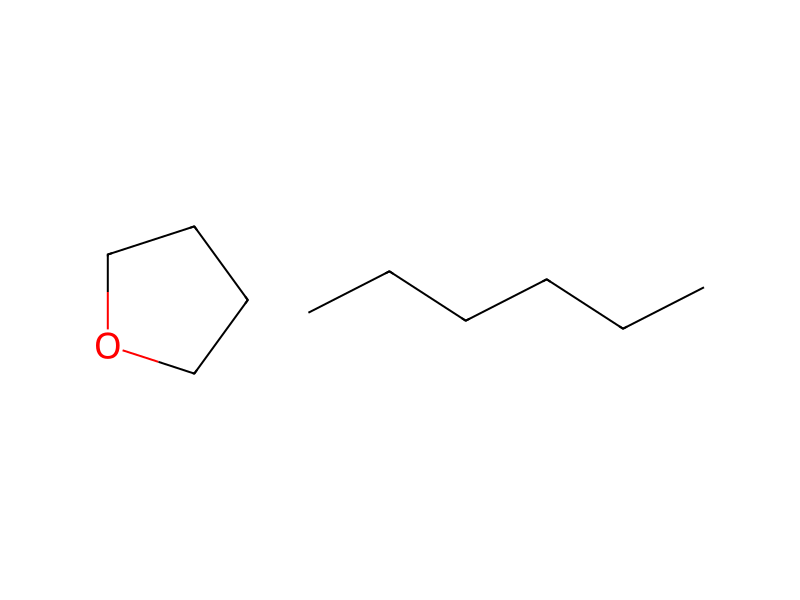
[Li][CH2:2][CH2:3][CH2:4][CH3:5].[CH3:6][C:7]1[CH:15]=[CH:14][C:13]([CH3:16])=[C:12]2[C:8]=1[CH:9]=[CH:10][CH2:11]2.O>CCCCCC.C1COCC1.CCCCCC>[CH3:5][C:4]1[CH:11]=[CH:12][C:13]([CH3:16])=[C:2]2[C:3]=1[CH:2]=[CH:3][CH:4]2[C:5]1[CH:14]=[CH:15][CH:7]=[CH:8][C:9]=1[CH2:10][CH:11]1[C:12]2[C:8](=[C:7]([CH3:6])[CH:15]=[CH:14][C:13]=2[CH3:16])[CH:9]=[CH:10]14.12 ml (10.3 mmoles) of n-BuLi 2.5 M in hexane are added to a solution of 1.48 g of 4,7-dimethyl indene (XVIII) (10.3 mmoles; obtained as described above) in 55 ml of a mixture of THF-hexane 2/1. At the end of the addition, the mixture is left under stirring for 1 hour. It is then cooled to −70° C. and a solution of 2.3 g of the brominated compound having formula (XX) (7.37 mmoles) in THF/hexane are added dropwise. The mixture is left to rise to room temperature and is left to rest for 6 hours. It is then poured into water and is extracted with ethyl ether. The organic phase is washed until neutrality and dehydrated on sodium sulfate. The residue obtained by evaporation of the solvent is purified by silica gel chromatography eluating with petroleum ether. After evaporation of the eluant 2.0 g of the bis-indenyl ligand having formula (XXI) and indicated below, are obtained (72% yield).