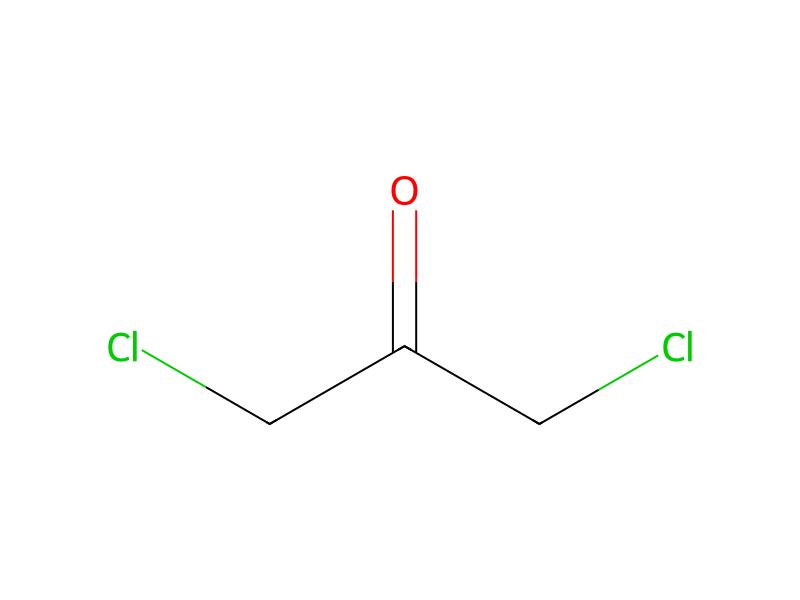
1,3-Dichloroacetone → 4-(Chloromethyl)-2-(propan-2-yl)-1,3-oxazole
Reaction equation

[C:1]([NH2:6])(=[O:5])[CH:2]([CH3:4])[CH3:3].[Cl:7][CH2:8][C:9]([CH2:11]Cl)=O>>[Cl:7][CH2:8][C:9]1[N:6]=[C:1]([CH:2]([CH3:4])[CH3:3])[O:5][CH:11]=1Participants
3


Procedure
In substantially the same manner as in Reference Example 31, isobutyramide was allowed to react with 1,3-dichloroacetone to give 4-chloromethyl-2-isopropyl oxazole as an oily product. The yield was 6.2%.
Sources & evidence
- ORD record
- ord-08f66c51c9c04a2db715dc2ff5cdaa9f
- Source dataset
- uspto-grants-2001_04
- Patent number
- US06211215B1
Reaction notes
Loading…