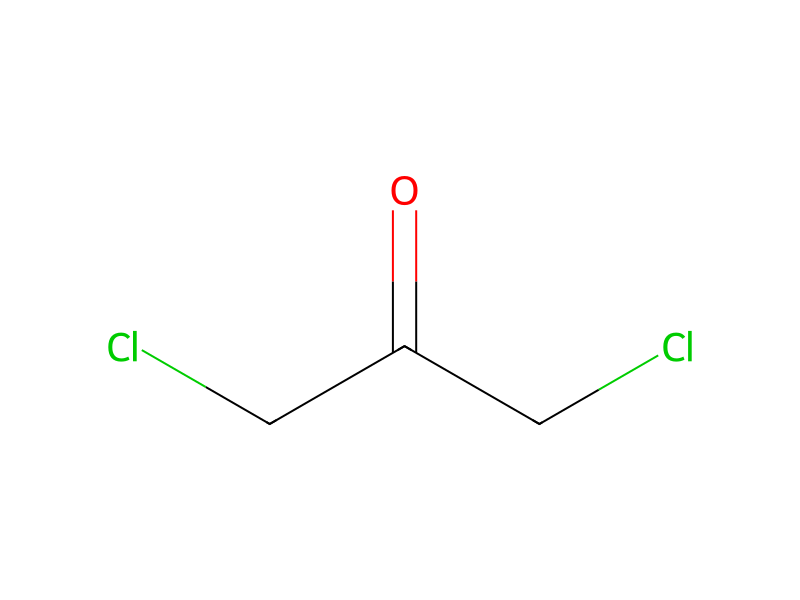
1,3-Dichloroacetone → HCID 22009810, compound
HRID 322271
Reaction equation

[C:1]([NH2:10])(=[O:9])[CH2:2][CH2:3][C:4]([O:6][CH2:7][CH3:8])=[O:5].[Cl:11][CH2:12][C:13]([CH2:15]Cl)=O>>[Cl:11][CH2:12][C:13]1[N:10]=[C:1]([CH2:2][CH2:3][C:4]([O:6][CH2:7][CH3:8])=[O:5])[O:9][CH:15]=1Participants
3


Procedure
In substantially the same manner as in Reference Example 31, ethyl succinamidate was allowed to react with 1,3-dichloroacetone to give ethyl 4-chloromethyl-2-oxazolepropionate as an oily product. The yield was 7.2%.
Sources & evidence
- ORD record
- ord-f4d96754dac1489bae526e8e50c36825
- Source dataset
- uspto-grants-2001_04
- Patent number
- US06211215B1