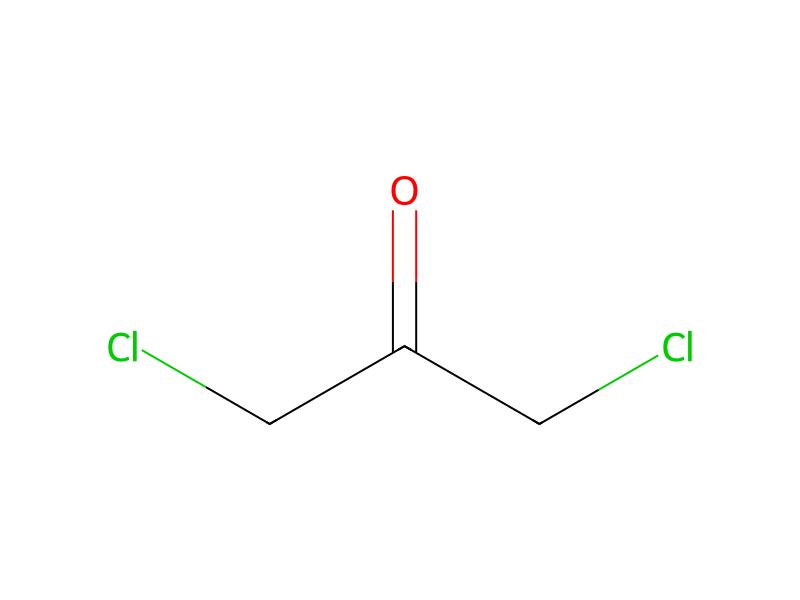
1,3-Dichloroacetone → HCID 11806574, compound
Reaction equation

[O:1]1[C:5]2[CH:6]=[CH:7][CH:8]=[CH:9][C:4]=2[CH:3]=[C:2]1[C:10]([NH2:12])=[O:11].[Cl:13][CH2:14][C:15]([CH2:17]Cl)=O>>[O:1]1[C:5]2[CH:6]=[CH:7][CH:8]=[CH:9][C:4]=2[CH:3]=[C:2]1[C:10]1[O:11][CH:17]=[C:15]([CH2:14][Cl:13])[N:12]=1Participants
3


Procedure
In substantially the same manner as in Reference Example 47, 2-benzofurancarboxamide was allowed to react with 1,3-dichloroacetone to give 2-(2-benzofuranyl)-4-chloromethyloxazole. The yield was 30%. Recrystallization from ethyl acetate-hexane gave colorless needles, mp 133-134° C.
Sources & evidence
- ORD record
- ord-f99bc33560fb4c478d86678dbb3b3433
- Source dataset
- uspto-grants-2001_04
- Patent number
- US06211215B1
Reaction notes
Loading…