Reaction equation

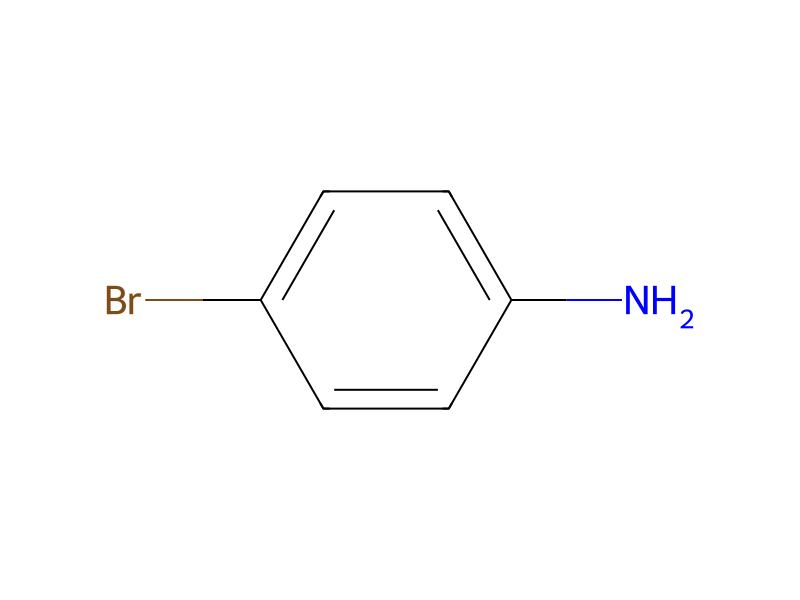
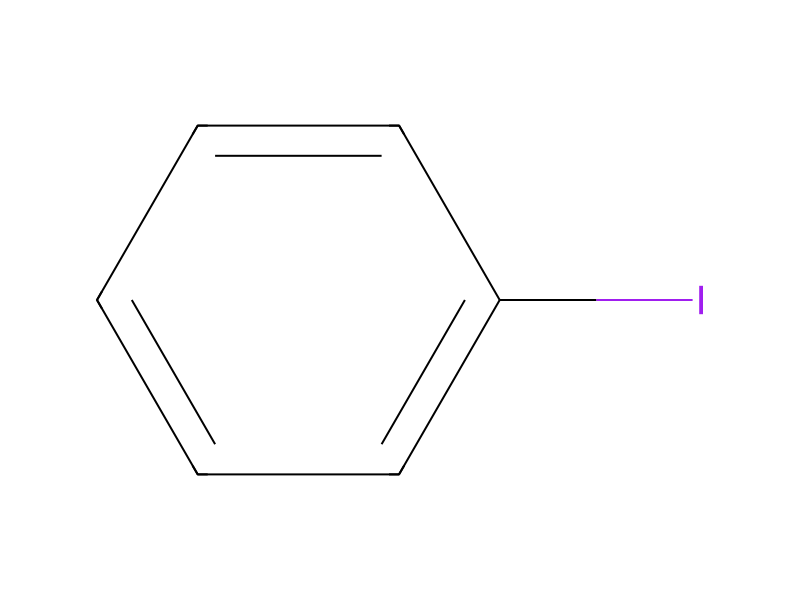
[Br:1][C:2]1[CH:8]=[CH:7][C:5]([NH2:6])=[CH:4][CH:3]=1.I[C:10]1[CH:15]=[CH:14][CH:13]=[CH:12][CH:11]=1.[OH-].[K+].N1[C:31]2[C:22](=[CH:23][CH:24]=[C:25]3[C:30]=2N=CC=C3)C=CC=1>>[C:10]1([N:6]([C:5]2[CH:7]=[CH:8][C:2]([Br:1])=[CH:3][CH:4]=2)[C:22]2[CH:31]=[CH:30][CH:25]=[CH:24][CH:23]=2)[CH:15]=[CH:14][CH:13]=[CH:12][CH:11]=1Participants



Conditions
- Temperature
- 180 °C
Procedure
To a 500 ml flask, 17.2 g (0.1 mol) of 4-bromoaniline, 50 g (0.24 mol) of iodobenzene, 32 g (0.8 mol) of potassium hydroxide, 0.04 g (0.04 mol, 0.4 eq.) of cuprous chloride and 0.08 g (0.04 mol, 0.4 eq.) of phenanthroline were introduced and stirred for 12 hours at 180° C. under nitrogen atmosphere. The reaction mixture was cooled to room temperature and the insoluble solid salt was filtered off. The filtrate was extracted with toluene and distilled water two times and then the organic layer was collected. Toluene was removed from the organic layer under reduced pressure to provide an organic compound. The organic compound was purified by column chromatography using n-hexane as an eluent. Then, the product was precipitated with a small amount of ethanol to provide 21 g of diphenylamino 4-bromobenzene (yield 65%). m/z 324 (M+).
Workup
- temperatureThe reaction mixture was cooled to room temperature
- filtrationthe insoluble solid salt was filtered off
- extractionThe filtrate was extracted with toluene
- distillationdistilled water two times
- customthe organic layer was collected
- customToluene was removed from the organic layer under reduced pressure
- customto provide an organic compound
- customThe organic compound was purified by column chromatography
- customThen, the product was precipitated with a small amount of ethanol
Sources & evidence
- ORD record
- ord-ef0ebcef42c64db3bcdafd8fa346b2a8
- Source dataset
- uspto-grants-2008_09
- Patent number
- US07427445B2
Linked notes
Loading…