Reaction equation

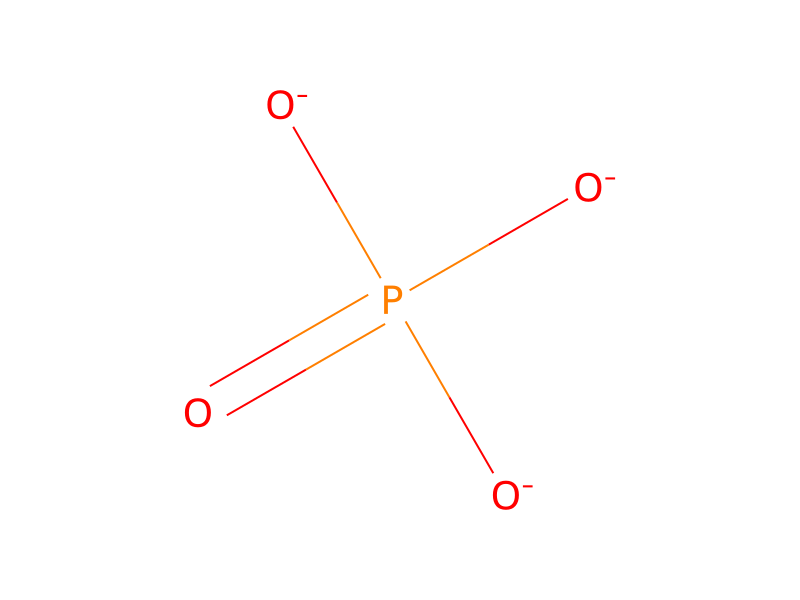
[CH2:1]([CH:3]([CH:7]([NH:10][C:11](=[O:19])[CH2:12][C:13]1[CH:18]=[CH:17][CH:16]=[CH:15][CH:14]=1)[C:8]#[CH:9])[C:4]([OH:6])=[O:5])[CH3:2].[OH-].[Na+].CC1(C)S[C@@H]2[C@H](NC(CC3C=CC=CC=3)=O)C(=O)N2[C@H]1C(O)=O>P([O-])([O-])([O-])=O>[CH2:1]([C@@H:3]([CH:7]([NH:10][C:11](=[O:19])[CH2:12][C:13]1[CH:14]=[CH:15][CH:16]=[CH:17][CH:18]=1)[C:8]#[CH:9])[C:4]([OH:6])=[O:5])[CH3:2]Participants
5
Reactant 3



Product 1

Reagents, catalysts & solvents 1
Procedure
Racemic ethyl 3-(phenylacetamido)-4-pentynoic acid (400 mg) was suspended in phosphate buffer (100 mL, 0.01 molar, prepared from 0.1 molar pH 7.24 solution obtained from sigma). The pH of the solution was adjusted between 8.0 to 8.2 using dilute sodium hydroxide. Under slow stirring, 100 units of immobilized penicillin G acylase (Boehringer-Mannheim) was added. The reaction mixture was stirred at room temperature for 48 hours, the pH was adjusted to 3.0, and then extracted with ethyl acetate (3×50 mL). The organic extracts were combined, dried over magnesium sulfate, filtered and evaporated to give the desired amide, (S)-ethyl-3-(phenylacetamido)-4-pentynoic acid.
Workup
- extractionextracted with ethyl acetate (3×50 mL)
- dry with materialdried over magnesium sulfate
- filtrationfiltered
- customevaporated
Sources & evidence
- ORD record
- ord-196624977377444398f9d979a67cf12b
- Source dataset
- uspto-grants-2001_04
- Patent number
- US06214609B1
Linked notes
Loading…