Reaction equation

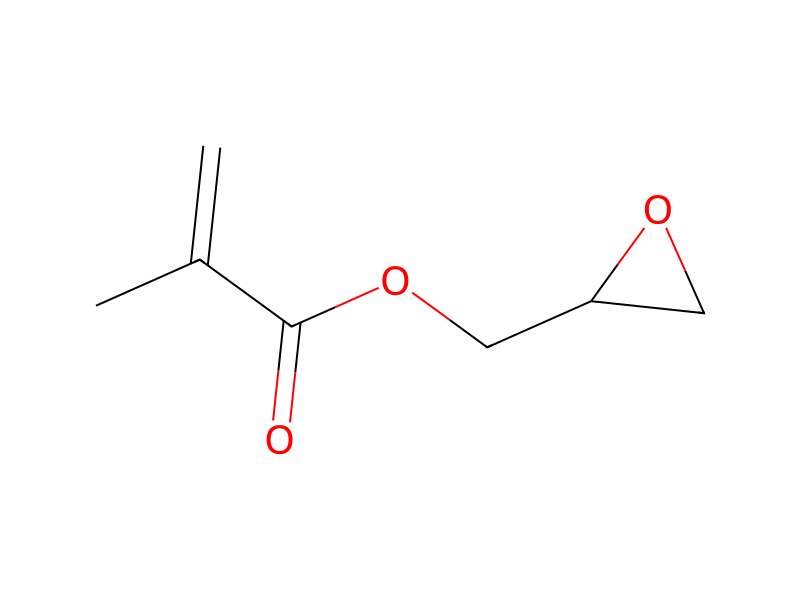
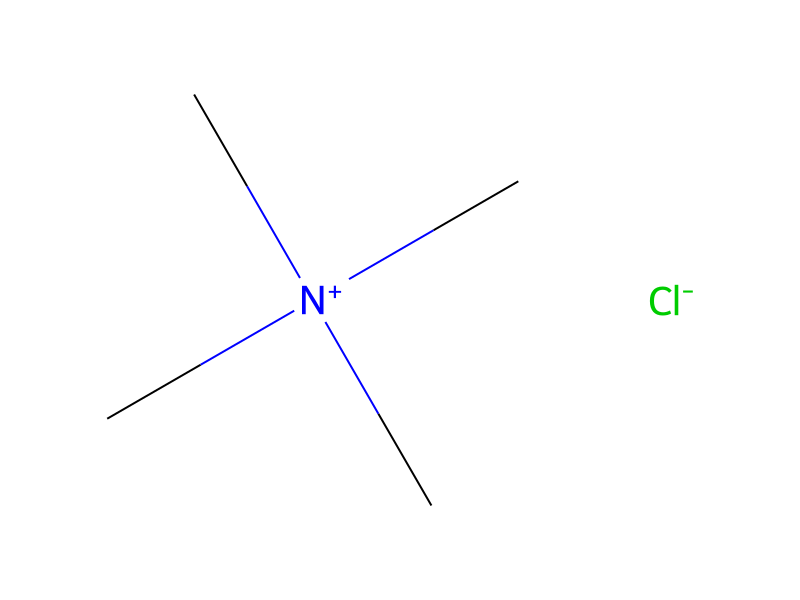
[C:1]([O:6][CH2:7][CH:8]1[O:10][CH2:9]1)(=[O:5])[C:2]([CH3:4])=[CH2:3].C(C1C(O)=C(C(C)(C)C)C=C(C)C=1)(C)(C)C.[CH:27]12[CH2:36][CH:30]([CH2:31][CH:32]1[C:33]([OH:35])=[O:34])[CH:29]=[CH:28]2>[Cl-].C[N+](C)(C)C>[CH:27]12[CH2:36][CH:30]([CH2:31][CH:32]1[C:33]([O:35][CH2:9][CH:8]([OH:10])[CH2:7][O:6][C:1](=[O:5])[C:2]([CH3:4])=[CH2:3])=[O:34])[CH:29]=[CH:28]2Participants
5


Conditions
- Temperature
- 100 °C
Procedure
Glycidyl methacrylate (43 g), containing 0.13 g of 2,6-di-tert. butyl-p-cresol and 0.26 g of tetramethylammonium chloride, was heated to 100° C. and bicyclo[2.2.1]hept-2-ene-6-carboxylic acid (41.8 g) was added slowly over about 1 hour, so that the temperature of the mixture did not exceed 105° C. Heating at 100° C. was continued for a further three hours, by which time the epoxide content of the product was negligible. The above-mentioned ester was a colourless mobile liquid.
Workup
- customdid not exceed 105° C
- temperatureHeating at 100° C.
Sources & evidence
- ORD record
- ord-470fca31966c4896beb4e9655bb84390
- Source dataset
- uspto-grants-1984_04
- Patent number
- US04440850
Linked notes
Loading…