Reaction equation

Cl.[CH2:2](Cl)[C:3]1[CH:8]=[CH:7][CH:6]=[N:5][CH:4]=1.[CH2:10]([C:12]1([CH2:16][OH:17])[CH2:15][O:14][CH2:13]1)[CH3:11].N1C=CC=CC=1.C(=O)([O-])[O-:25].[Na+].[Na+]>ClCCl>[N:5]1[CH:6]=[CH:7][CH:8]=[C:3]([C:2]([O:17][CH2:16][C:12]2([CH2:10][CH3:11])[CH2:15][O:14][CH2:13]2)=[O:25])[CH:4]=1Participants
6
Reactant 4


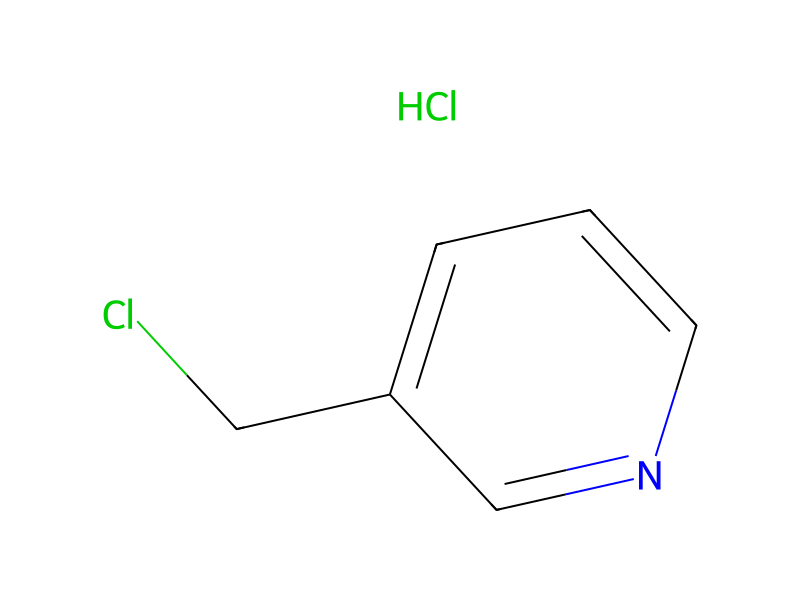
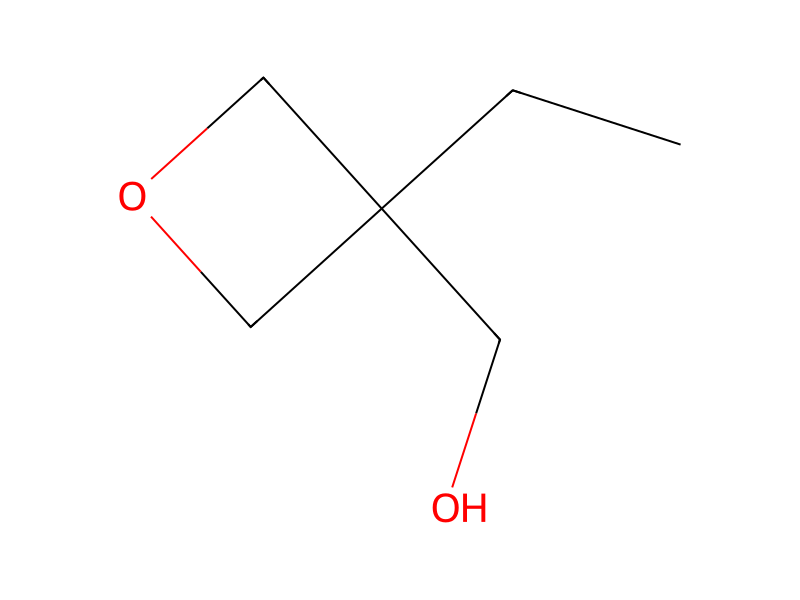
Product 1

Reagents, catalysts & solvents 1

Procedure
Nicotinyl chloride hydrochloride (8.9 gm.) was added to a stirred solution of 3-ethyl-3-hydroxymethyloxetane (5.8 gm.) and dry pyridine (20 ml.) in dry dichloromethane (150 ml.) at 0°. The mixture was stirred at room temperature for 4 days and poured into aqueous sodium carbonate solution. The aqueous mixture was extracted with dichloromethane. The extracts were washed with water and dried over anhydrous magnesium sulphate. The solvent was removed in vacuo. The residue was purified by chromatography on silica eluting with 5% triethylamine in dichloromethane. (3-Ethyloxetan-3-yl)methyl 3-pyridinecarboxylate was obtained as a pale yellow oil (7.0 gm.).
Workup
- extractionThe aqueous mixture was extracted with dichloromethane
- washThe extracts were washed with water
- dry with materialdried over anhydrous magnesium sulphate
- customThe solvent was removed in vacuo
- customThe residue was purified by chromatography on silica eluting with 5% triethylamine in dichloromethane
Sources & evidence
- ORD record
- ord-e348c7bc47ba44ad998de5232bb87078
- Source dataset
- uspto-grants-1991_10
- Patent number
- US05057504
Linked notes
Loading…