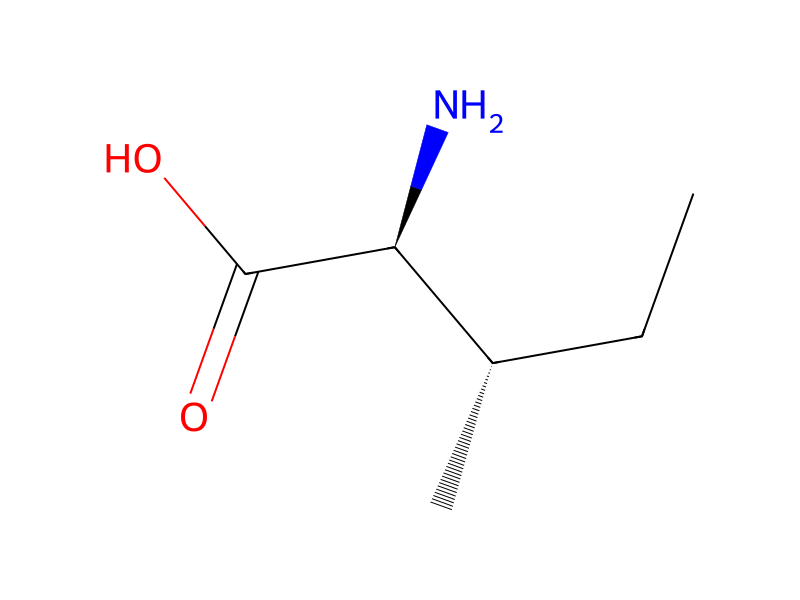
L-Isoleucine → Maltose L-isoleucine
HRID 346439
Reaction equation

[NH2:1][C@H:2]([C:7]([OH:9])=[O:8])[C@H:3]([CH2:5][CH3:6])[CH3:4].[CH2:10]([OH:32])[C@H:11]1[O:16][C@H:15]([O:17][C@H:18]2[C@H:23]([OH:24])[C@@H:22]([OH:25])[C@H:21]([OH:26])[O:20][C@@H:19]2[CH2:27][OH:28])[C@H:14]([OH:29])[C@@H:13]([OH:30])[C@@H:12]1[OH:31].O>>[CH2:10]([OH:32])[C@H:11]1[O:16][C@H:15]([O:17][C@H:18]2[C@H:23]([OH:24])[C@@H:22]([OH:25])[C@H:21]([OH:26])[O:20][C@@H:19]2[CH2:27][OH:28])[C@H:14]([OH:29])[C@@H:13]([OH:30])[C@@H:12]1[OH:31].[NH2:1][C@H:2]([C:7]([OH:9])=[O:8])[C@H:3]([CH2:5][CH3:6])[CH3:4]Participants
3


Conditions
- Temperature
- 20 °C
Procedure
Various amounts of L-isoleucine were added to a stock solution containing 50 mg maltose monohydrate per ml and the individual mixtures were dried at 20° C. An improved drying effect with an increasing amount of amino acid is clearly apparent. The addition of 20 mg/ml L-isoleucine (mixing ratio 5:2 by weight) increases the Tg of the maltose product by ca. 20° C. Table 5 shows the amount of L-isoleucine in the sugar solution and the resulting residual water content and the glass transition temperature Tg.