Phosphate → HCID 131724436, compound
Reaction equation

[CH2:1]([O:3][CH:4]([CH2:13][C:14]1[CH:19]=[CH:18][C:17]([OH:20])=[CH:16][CH:15]=1)[C:5]([O:7][CH2:8][CH2:9][O:10][CH2:11][CH3:12])=[O:6])[CH3:2].P([O-])([O-])([O-])=O>>[CH2:1]([O:3][C@H:4]([CH2:13][C:14]1[CH:15]=[CH:16][C:17]([OH:20])=[CH:18][CH:19]=1)[C:5]([OH:7])=[O:6])[CH3:2].[CH2:1]([O:3][C@@H:4]([CH2:13][C:14]1[CH:19]=[CH:18][C:17]([OH:20])=[CH:16][CH:15]=1)[C:5]([O:7][CH2:8][CH2:9][O:10][CH2:11][CH3:12])=[O:6])[CH3:2]Participants
3
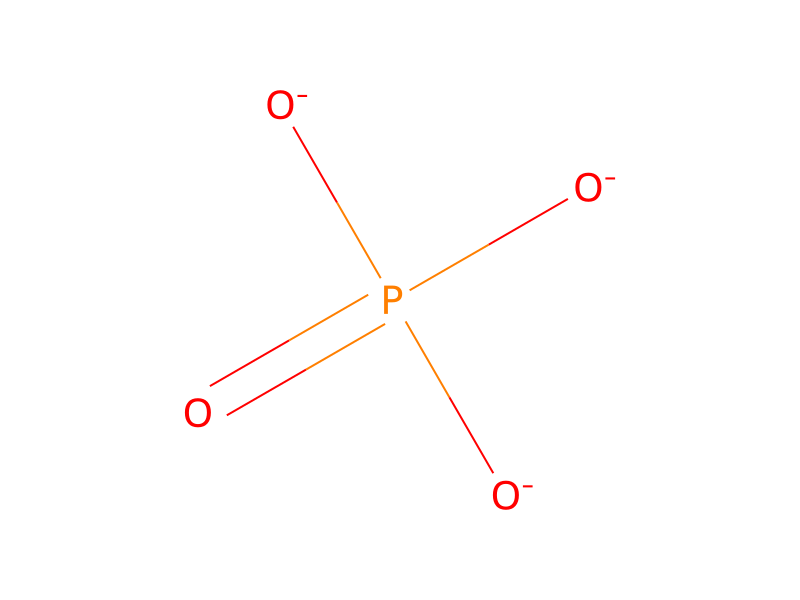


Procedure
Ethoxyethyl (2RS) 2-ethoxy-3-(4-hydroxyphenyl)propanoate (0.5 ml of a solution containing 2 mg/ml in a phosphate, pH 7, 0.1 M) was added followed by immobilised protease from Pseudomonas putida (L-aminopeptidase, available as Novozym 180 or SP 180 from Novo Nordisk) (5 mg) and phosphate buffer (0.1 M, pH 7, 0.5 ml); The reaction mixture was shaken at room temperature and analysed at different times (maximum 36 h). The reaction mixture was analysed without work up by the gradient HPLC method 1 and by the chiral HPLC method.
Workup
- additionwas added
- customanalysed at different times (maximum 36 h)