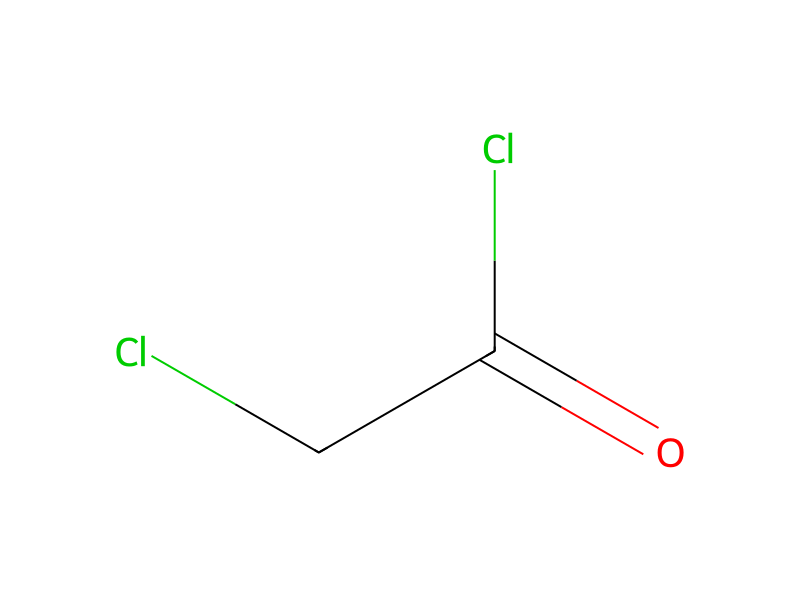
[Cl:1][C:2]1[CH:3]=[CH:4][C:5]2[N:11]=[C:10]([NH:12][NH2:13])[CH2:9][CH:8]=[C:7]([C:14]3[CH:19]=[CH:18][CH:17]=[CH:16][C:15]=3[F:20])[C:6]=2[CH:21]=1.[Cl:22][CH2:23][C:24](Cl)=O.C([O-])(=O)C.[Na+]>C(O)(=O)C>[Cl:1][C:2]1[CH:3]=[CH:4][C:5]2[N:11]3[C:24]([CH2:23][Cl:22])=[N:13][N:12]=[C:10]3[CH2:9][CH:8]=[C:7]([C:14]3[CH:19]=[CH:18][CH:17]=[CH:16][C:15]=3[F:20])[C:6]=2[CH:21]=1A solution of 18.2 g of 7-chloro-5-(2-fluorophenyl)-2-hydrazino-3H-1-benzazepine in 220 ml of glacial acetic acid is treated dropwise at 15° with 5.1 ml of chloroacetyl chloride. The mixture is stirred at room temperature for a further 2 hours. The mixture is treated with 7.5 g of sodium acetate, stirred at room temperature for 2 hours. and at boiling under reflux for 20 minutes, then evaporated in vacuo and the residue is partitioned between chloroform and water. The organic phase is washed with sodium hydrogen carbonate solution and water and evaporated. The crude product obtained is chromatographed on silica gel while eluting with chloroform/ethanol (98.5:1.5) and there is obtained 8-chloro-1-(chloromethyl)-6-(2-fluorophenyl)-4H-s-triazolo[4,3-a][1]benzazepine as white crystals of melting point 180° (decomposition).