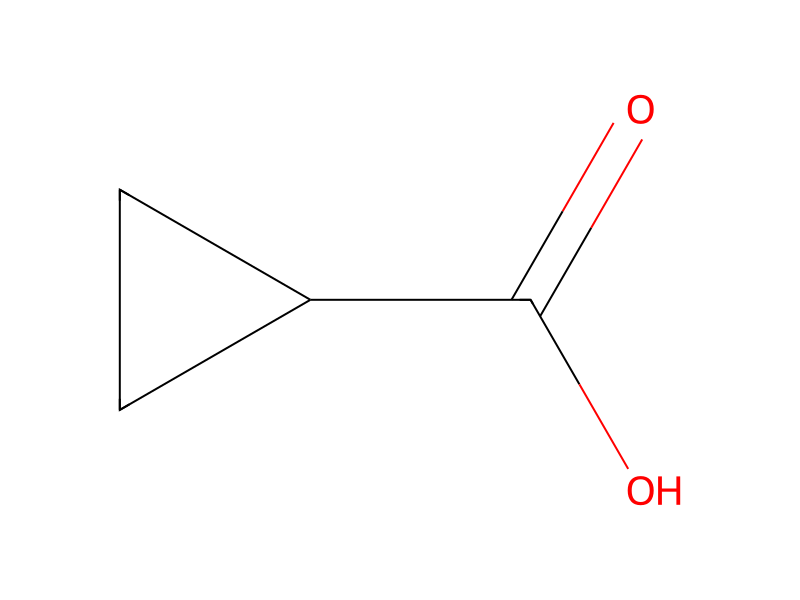
40 g of pyridine-2,3-dicarboxylic acid diethyl ester are dissolved in a mixture of 400 g of water and 36 g of concentrated sulphuric acid and 6.1 g of silver nitrate (AgNO3). Subsequently, 32 g of cyclopropanecarboxylic acid are added and the reaction mixture is heated to 70°. A solution of 82.1 g of ammonium peroxydisulphate (NH4)2S2O8 in 300 ml of water is added dropwise thereto while stirring vigorously. When the evolution of CO2 has ceased, the reaction mixture is stirred for a further 20 minutes. It is then cooled to 15° and extracted twice with 200 ml of methylene chloride each time. The organic phase is collected, dried over magnesium sulphate, filtered and concentrated by evaporation. The residue is distilled at 13 millibars and the distillate is chromatographed over a column of silica gel with hexane/methylene chloride/ether. After the solvent has been evaporated 11.2 g of the above diester remain behind in the form of a colourless oil.