HomeMCPWorkbenchSkills
HomeWorkbenchNotificationsMe
llms.txt · MCP GuidePrivacy Policy · Terms of Service · Supportv1.8.3
  1. Home
  2. /Reaction

Dicyclohexylcarbodiimide → Methyl 4-(bromomethyl)-3-nitrobenzoate

HRID 390585
Print

Reaction equation

HRID 390585 reaction equation
[CH:1]1(N=C=NC2CCCCC2)CCCCC1.[Br:16][CH2:17][C:18]1[CH:26]=[CH:25][C:21]([C:22]([OH:24])=[O:23])=[CH:20][C:19]=1[N+:27]([O-:29])=[O:28].CN(CC1C=CN=CC=1)C>ClCCl.ClCCl.CO>[CH3:1][O:23][C:22](=[O:24])[C:21]1[CH:25]=[CH:26][C:18]([CH2:17][Br:16])=[C:19]([N+:27]([O-:29])=[O:28])[CH:20]=1
ParticipantsProcedureSources & evidenceReaction notes

Participants

6

Reactant 3

HCID 10868DicyclohexylcarbodiimideHCID 1323864-Bromomethyl-3-nitrobenzoic acidHCID 2649464-pyridinemethanamine, N,N-dimethyl-

Product 1

HCID 13399987Methyl 4-(bromomethyl)-3-nitrobenzoate

Reagents, catalysts & solvents 2

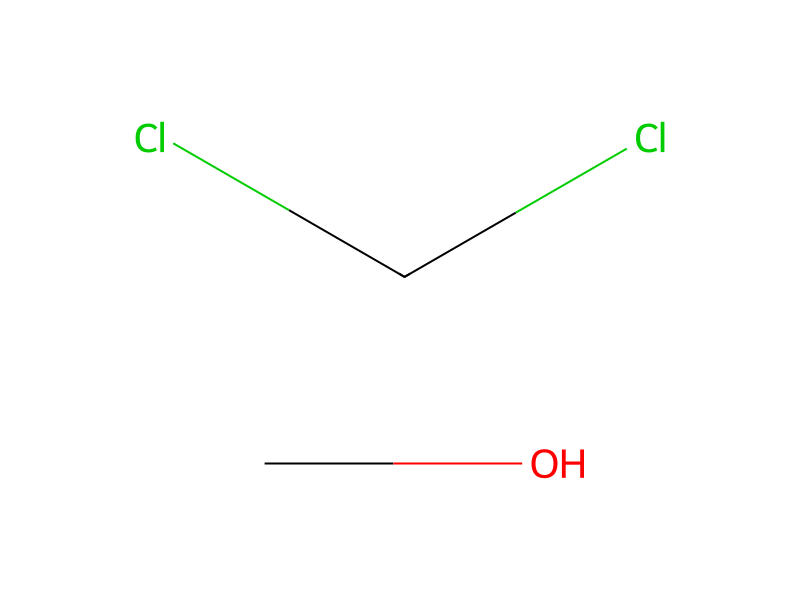
HCID 6344DichloromethaneSolvent
HCID 21226129
Dichloromethane methanol
Solvent

Procedure

A solution of dicyclohexylcarbodiimide (DCC, 0.95 g, 4.61 mmol, 1.2 equiv) in 10 mL of dichloromethane (DCM) was added dropwise to a stirred mixture of 4-bromomethyl-3-nitro-benzoic acid 1 (1.0 g, 3.84 mmol, 1.0 equiv) and 4-dimethylaminomethyl pyridine (DMAP) (0.020 g, 0.19 mmol, 0.05 equiv) in 10 mL of dichloromethane-methanol (10%) at room temperature. The mixture was stirred for 6 hours to obtain 4-bromomethyl-3-nitro-benzoic acid methyl ester 2. Dicyclohexyl urea (DCU) thus obtained was removed by filtration and the solvent in the filtered solution was removed under vacuum. The residue was purified by column chromatography using hexane-ethyl acetate (15%) as an eluant to give ester 2 as a light yellow oil.

Sources & evidence

ORD record
ord-ed0281c5bc0e43838b727eaf5f033ed9
Source dataset
uspto-grants-2013_02
DOI
10.6084/m9.figshare.5104873.v1
Patent number
US08383662B2

Reaction notes

On this pageParticipantsProcedureSources & evidenceReaction notes