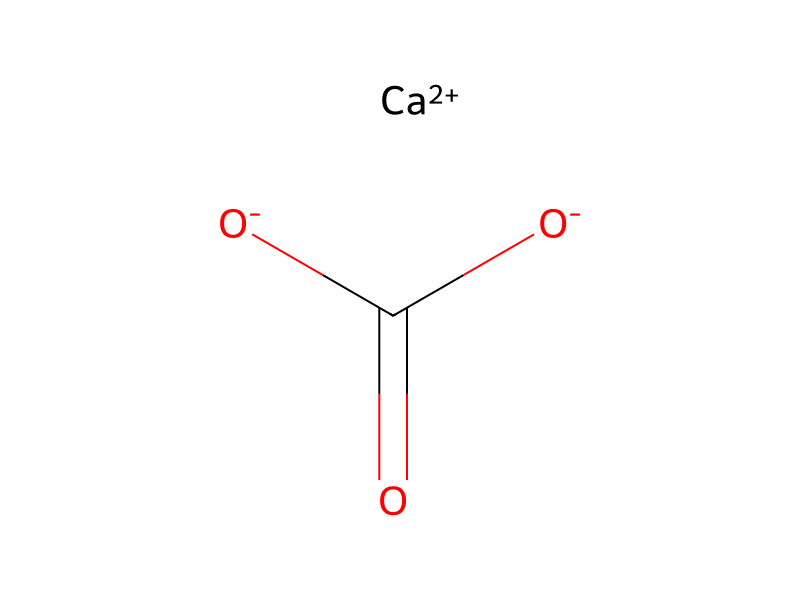
To a solution of 5-amino-1-naphthol (17.6 g; 0.11 mol) in 500 ml of dioxane, there were added 11 g of calcium carbonate (0.11 mol) and, dropwise, 8 ml of chloroacetyl chloride (0.112 mol), with stirring and under an inert atmosphere. The reaction medium was heated at 80° C. for 2 hours 30 minutes. The suspension was cooled to room temperature, filtered on sintered glass and the inorganic salts were rinsed twice with dioxane. The mixture of the organic solutions was concentrated until an insoluble product appeared, and then poured over 400 ml of ice-cold water. The precipitate formed was drained, washed once with water and once with pentane. The brown powder obtained was dried under vacuum to a constant weight to give 16.8 g of N-(5-hydroxynaphthalen-1-yl)acetamide with a yield of 76%.