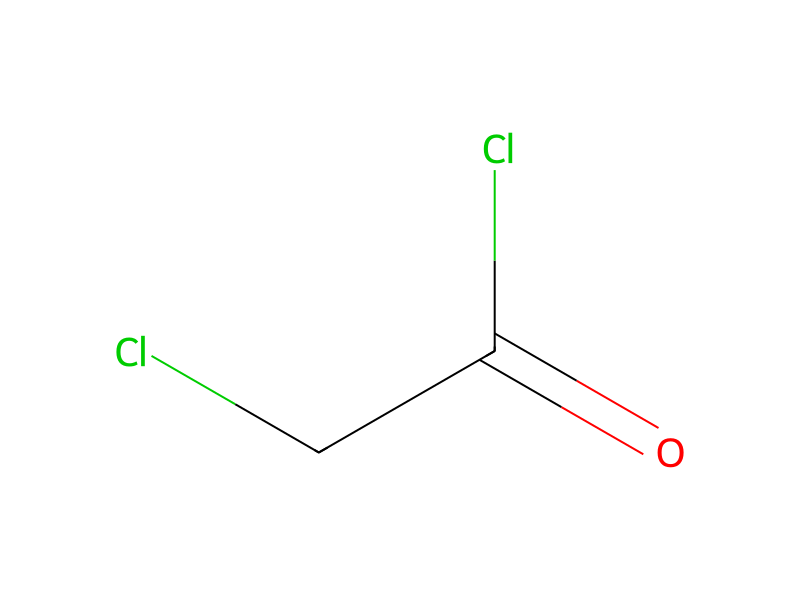
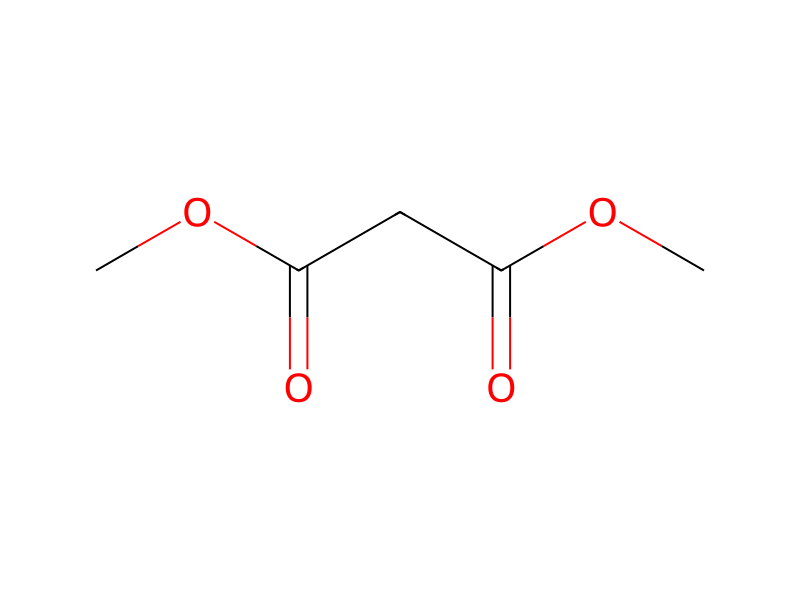
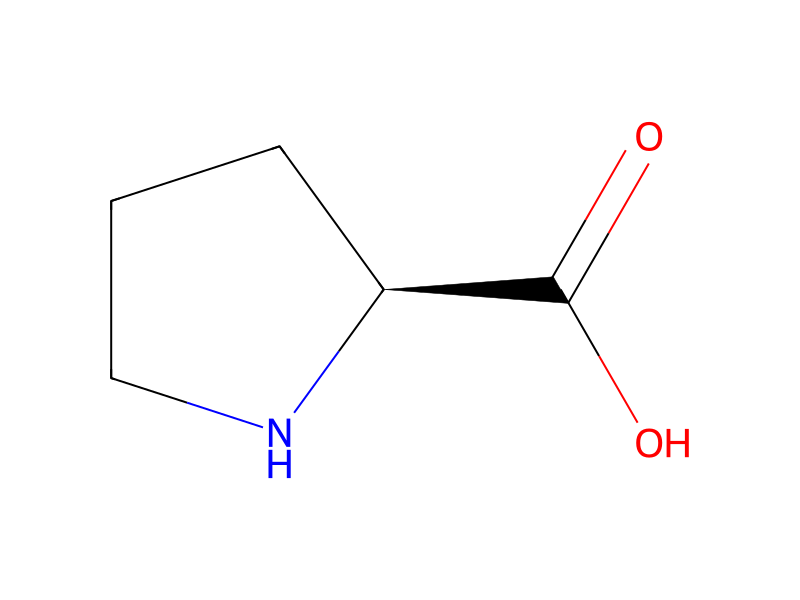
[CH:1]1([NH:4][C:5]2[O:6][CH2:7][C:8](=[O:14])[C:9]=2[C:10]([O:12][CH3:13])=[O:11])[CH2:3][CH2:2]1.C(OC)(=O)CC(OC)=O.ClCC(Cl)=O.C1(N)CC1.[NH:33]1[C:41]2[C:36](=[CH:37][CH:38]=[CH:39][N:40]=2)[C:35]([CH:42]=O)=[CH:34]1.N1CCC[C@H]1C(O)=O>C(O)C>[NH:33]1[C:41]2=[N:40][CH:39]=[CH:38][CH:37]=[C:36]2[C:35]([CH:42]=[C:7]2[O:6][C:5]([NH:4][CH:1]3[CH2:2][CH2:3]3)=[C:9]([C:10]([O:12][CH3:13])=[O:11])[C:8]2=[O:14])=[CH:34]1To a solution of methyl 2-(cyclopropylamino)-4-oxo-4,5-dihydrofuran-3-carboxylate (0.50 g, 2.5 mmol) which similarly prepared according to the procedure described in the Example 4, First step using dimethyl malonate, chloroacetyl chloride and cyclopropylamine, and 7-azaindole-3-carboxaldehyde (0.37 g, 2.5 mmol) in ethanol (6.0 mL), L-proline (0.029 g, 0.25 mmol) was added at ambient temperature. The mixture was refluxed for 16 h. Cooled to ambient temperature, the precipitate was collected by filtration, washed with methanol then dried to afford the titled compound as solid (0.012 g, y. 30%).