Reaction equation

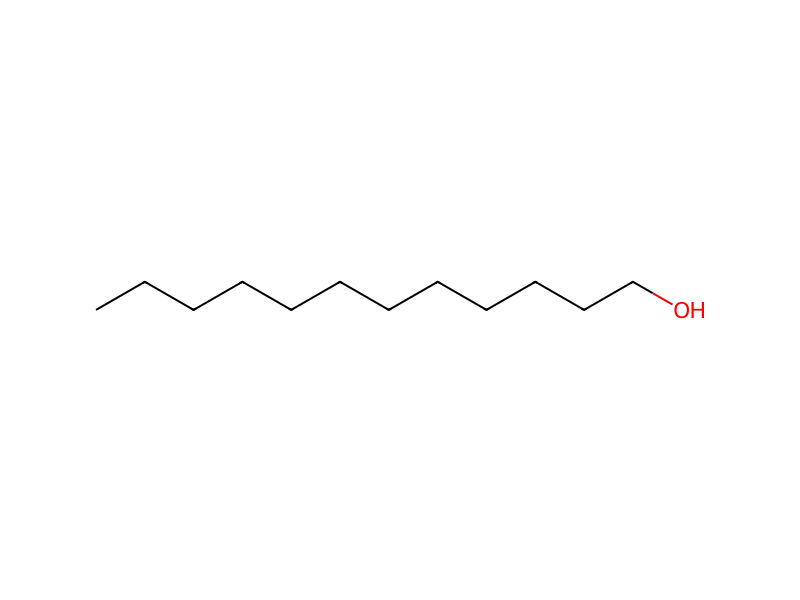
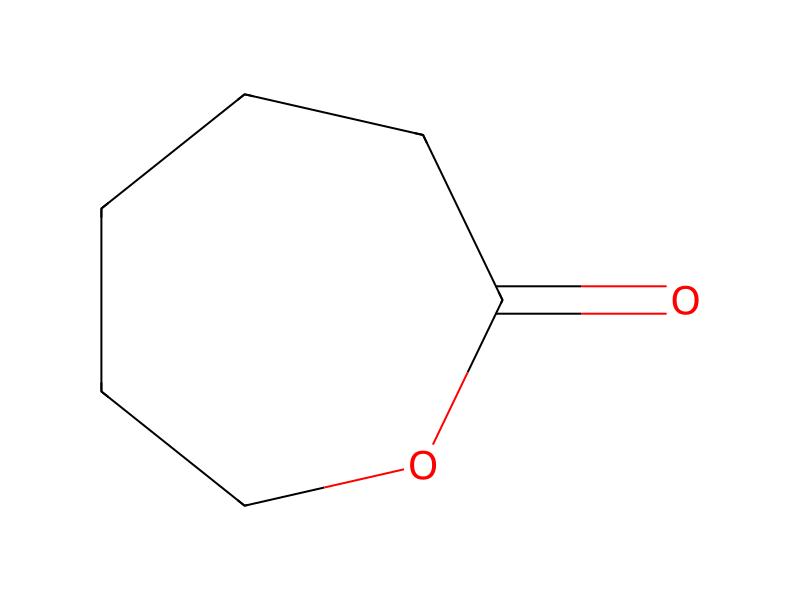
[C:1]1(=[O:8])[O:7][CH2:6][CH2:5][CH2:4][CH2:3][CH2:2]1.[C:9]1(=[O:15])[O:14][CH2:13][CH2:12][CH2:11][O:10]1.C(O)CCCCCCCCCCC>>[C:1]1(=[O:8])[O:7][CH2:6][CH2:5][CH2:4][CH2:3][CH2:2]1.[C:9]1(=[O:15])[O:14][CH2:13][CH2:12][CH2:11][O:10]1Participants
4


Conditions
- Temperature
- 135 °C
Procedure
ε-Caprolactone (8.0 g, 0.070 mole), trimethylene carbonate (2.0 g, 0.020 mole), lauryl alcohol (0.283 g, 1.52×10⁻³ mole) and stannous chloride dihydrate (2.02 mg, 8.91×10⁻⁶ mole) were combined in a flask. The flask was flushed with nitrogen, evacuated and sealed. The flask was heated at 135° C. for 24 hours. The resulting polymer had a composition, as measured by 1H NMR, of 86 wt. % ε-caprolactone and 14 wt. % trimethylene carbonate. The ηinh of the copolymer was 0.26 dl/g (0.5 g/dl in HFAS).
Workup
- customThe flask was flushed with nitrogen
- customevacuated
- customsealed
Sources & evidence
- ORD record
- ord-112643679c0044b6956bcc0853d65c18
- Source dataset
- uspto-grants-1988_12
- Patent number
- US04791929
Linked notes
Loading…