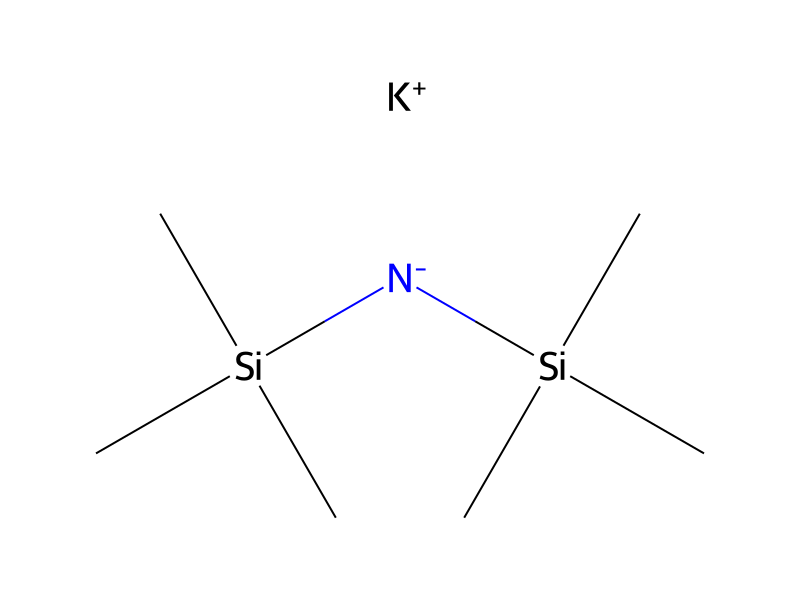
(Method E) To a stirred suspension of 6-[3-(aminocarbonyl)phenoxy]hexyl(triphenyl)phosphonium bromide (2.0 g, 3.55 mmol, 1.2 equiv.) in anhydrous toluene (28 ml) was added a solution of potassium bis(trimethylsilyl)amide (0.5M; 7.1 ml, 3.55 mmol, 1.2 equiv.) in toluene, slowly, dropwise over a period of 15 min at 0° C., under N2. The dark orange solution was stirred for another 20 min at 0° C. and cooled to −78° C., when thiophene-3-carboxaldehyde was instantly added, and the temperature was left to rise—from −78° C. to r.t. The light yellow mixture was stirred at r.t. for 16 h. The reaction mixture was quenched with saturated aqueous NH4Cl (20 ml) and the solvent was evaporated under reduced pressure. The residue was taken-up in CH2Cl2 and H2O, the organic phase was separated, washed with brine and dried (Na2SO4). The solved was evaporated under reduced pressure and the residue was purified by column chromatography on silica eluting with EtOAc/hexane (10%-50% gradient) to give the desired compound as an off-white solid (300 mg, 35%), mp 71-73° C. By 1H NMR analysis it consisted of a mixture of Z:E (90:10). HPLC-MS (method 1): m/z 316 [M+H]+, Rt=4.62 min.