Reaction equation

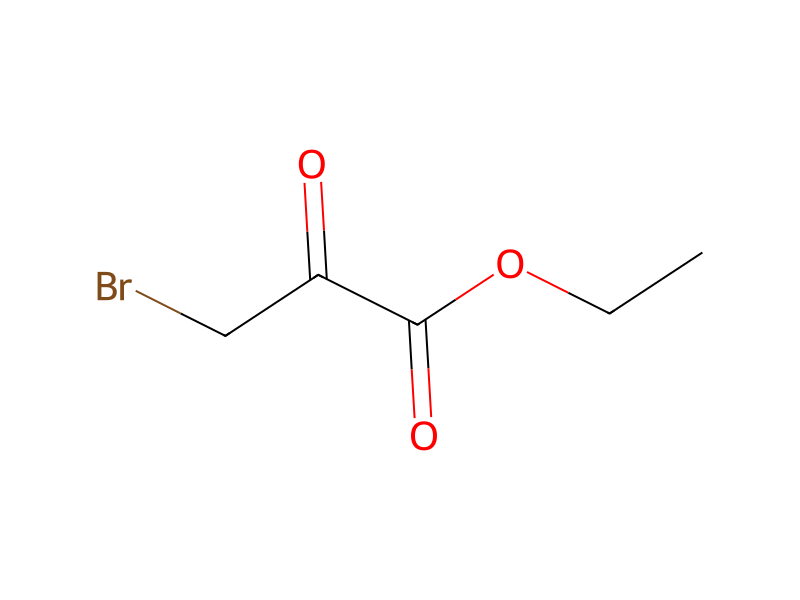
[N+:1]([C:4]1[CH:9]=[CH:8][CH:7]=[CH:6][C:5]=1[C:10]1[N:11]=[C:12]([NH2:15])[S:13][CH:14]=1)([O-:3])=[O:2].Br[CH2:17][C:18](=O)[C:19]([O:21][CH2:22][CH3:23])=[O:20]>C(C(C)=O)C>[CH2:22]([O:21][C:19]([C:18]1[N:15]=[C:12]2[N:11]([CH:17]=1)[C:10]([C:5]1[CH:6]=[CH:7][CH:8]=[CH:9][C:4]=1[N+:1]([O-:3])=[O:2])=[CH:14][S:13]2)=[O:20])[CH3:23]Participants
4


Procedure
4-(2-Nitro-phenyl)-thiazol-2-ylamine (1.60 g, 7.2 mmol) was mixed with 50 mL of methyl ethyl ketone along 0.90 mL of ethyl bromopyruvate (7.2 mmol) and stirred under reflux for 24 hours. Another equivalent of ethyl bromopyruvate (0.90 mL, 7.2 mmol) was added and the reaction mixture was stirred under reflux for another 8 hours. The reaction mixture was cooled to room temperature and concentrated under reduced pressure. The resulting residue was purified by chromatography (Isco, gradient elution, CH2Cl2 to 95% CH2Cl2, 5% MeOH) to afford 1.2 g of 3-(2-nitro-phenyl)-imidazo[2,1-b]thiazole-6-carboxylic acid ethyl ester (52% yield).
Workup
- temperatureunder reflux for 24 hours
- stirringthe reaction mixture was stirred
- temperatureunder reflux for another 8 hours
- concentrationconcentrated under reduced pressure
- customThe resulting residue was purified by chromatography (Isco, gradient elution, CH2Cl2 to 95% CH2Cl2, 5% MeOH)
Sources & evidence
- ORD record
- ord-7815c6ec702742418905e96115fc4fe0
- Source dataset
- uspto-grants-2012_01
- Patent number
- US08088928B2
Linked notes
Loading…