Reaction equation

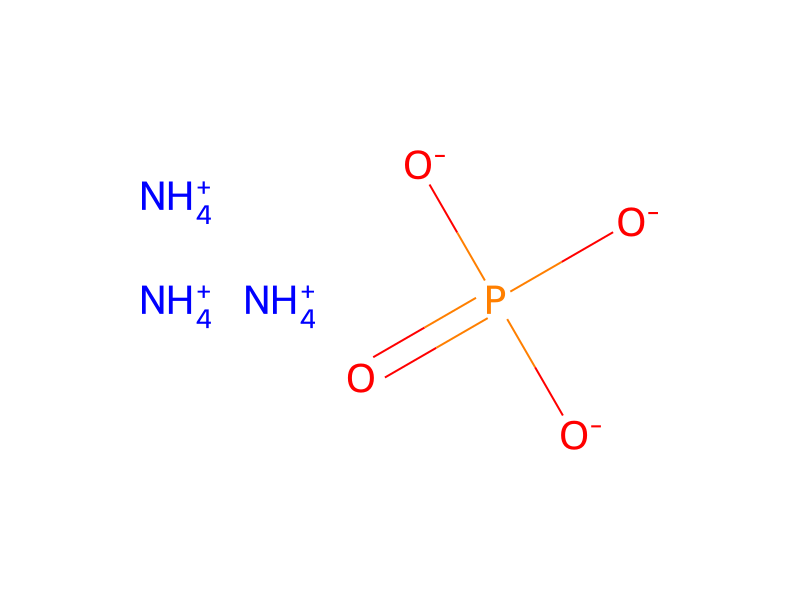
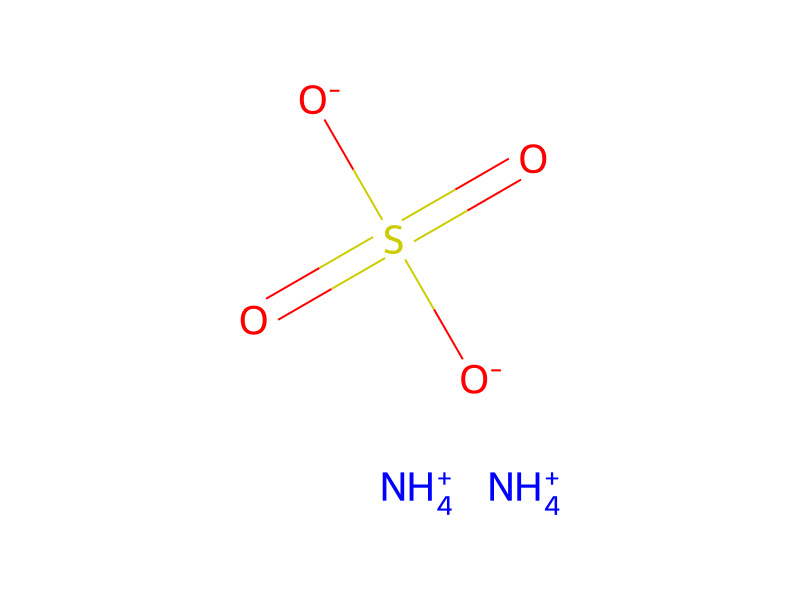
[S:1](=[O:5])(=[O:4])([OH:3])[OH:2].[P:6](=[O:10])([OH:9])([OH:8])[OH:7].[NH3:11]>>[P:6]([O-:10])([O-:9])([O-:8])=[O:7].[NH4+:11].[NH4+:11].[NH4+:11].[S:1]([O-:5])([O-:4])(=[O:3])=[O:2].[NH4+:11].[NH4+:11]Participants



Procedure
The output of pugmill #1 was a conditioned, warm, blended thixotropic homogeneous mix. Its odor had been reduced drastically at this point the process. The conditioned biosolids mix exited pugmill #1 at just over 9500 pods per hour and entered one of three stainless steel Pressure Vessels. While the biosolids were reacted in pugmill #1, a second and independent chemical synthesis was taking place in a different vessel. Enough concentrated sulfuric acid at 94% was added to a reactor vessel along with concentrated phosphoric acid (54% P or agricultural grade) in amounts which resulted in a slight excess of acid following the complete addition of the base, aqueous ammonia. The reaction was set up so the exiting pH of the completed fertilizer mix was close to pH 5.7. Simultaneous to the input of the two acids, aqueous ammonia at 21% N was also pumped into this chamber. The concentrated acids reacted with the aqueous ammonia to form ammonium salts of ammonium phosphate and ammonium sulfate.
Workup
- temperaturewarm
- additionThe conditioned biosolids mix
- customWhile the biosolids were reacted in pugmill #1
- customa second and independent chemical synthesis
- customresulted in a slight excess of acid
- additionmix
- customwas close to pH 5.7
Sources & evidence
- ORD record
- ord-bb668cd1042a4be4b1efe55150833865
- Source dataset
- uspto-grants-2012_01
- Patent number
- US08105413B2
Linked notes
Loading…