Reaction equation

[C:1]([O:5][CH2:6][CH2:7][N:8]([CH3:10])[CH3:9])(=[O:4])[CH:2]=[CH2:3].[CH2:11]1[S:15](=[O:17])(=[O:16])[O:14][CH2:13][CH2:12]1.C[C:19]([CH3:21])=[O:20]>>[CH3:9][N+:8]([CH3:10])([CH2:7][CH2:6][O:5][C:1](=[O:4])[CH:2]=[CH2:3])[CH2:13][CH2:12][CH2:11][S:15]([OH:14])(=[O:17])=[O:16].[CH3:7][N+:8]([CH2:21][C:19]([OH:14])=[O:20])([CH3:10])[CH3:9]Participants
4

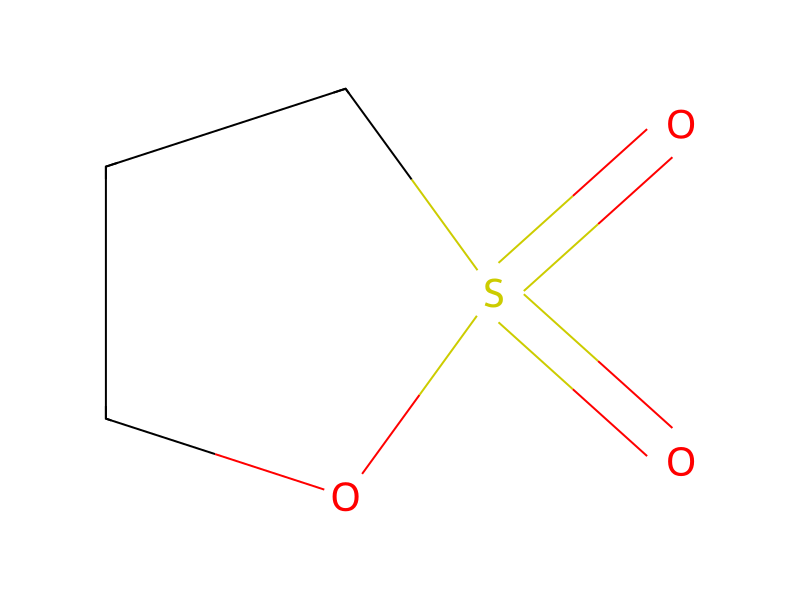


Conditions
- Temperature
- 30 °C
Procedure
10 g of N,N-dimethylaminoethyl acrylate (CPS Chemical Company, Old Bridge, N.J.) is dissolved in approximately 150 mL of acetone in a 250 mL round bottom flask containing a magnetic stir bar. To this solution is added 8.35 g of propane sultone (Aldrich). The flask is equipped with a reflux condenser and heated at 30° C. with stirring overnight. In the morning, the resulting white solid is isolated by filtration, washed twice with diethyl ether, and dried under vacuum in a desiccator for 24 hours. A 13C NMR spectrum of the product is consistent with the structure of the sulfobetaine monomer.
Workup
- additioncontaining a magnetic stir bar
- customThe flask is equipped with a reflux condenser
- customIn the morning, the resulting white solid is isolated by filtration
- washwashed twice with diethyl ether
- customdried under vacuum in a desiccator for 24 hours
Sources & evidence
- ORD record
- ord-c30cfc2abe53408bbe8cdc9901c1fc7e
- Source dataset
- uspto-grants-2001_11
- Patent number
- US06313246B1
Linked notes
Loading…