Reaction equation

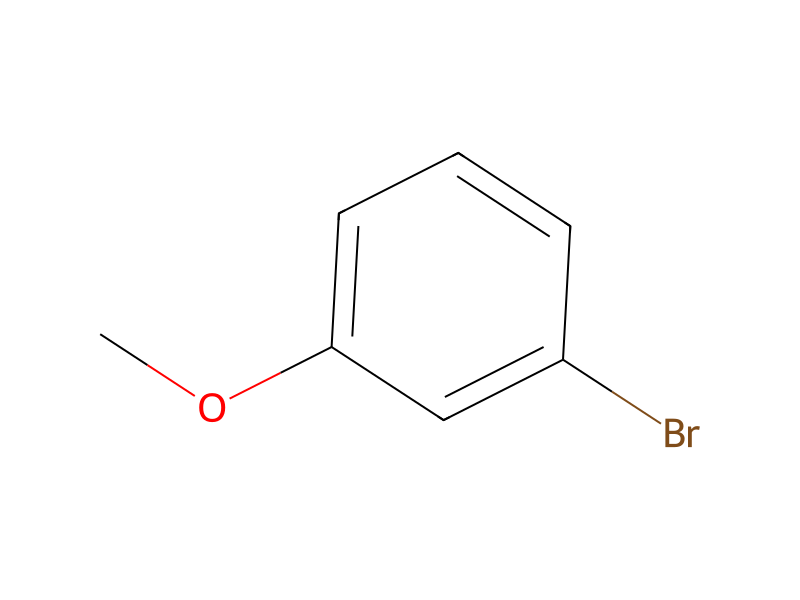
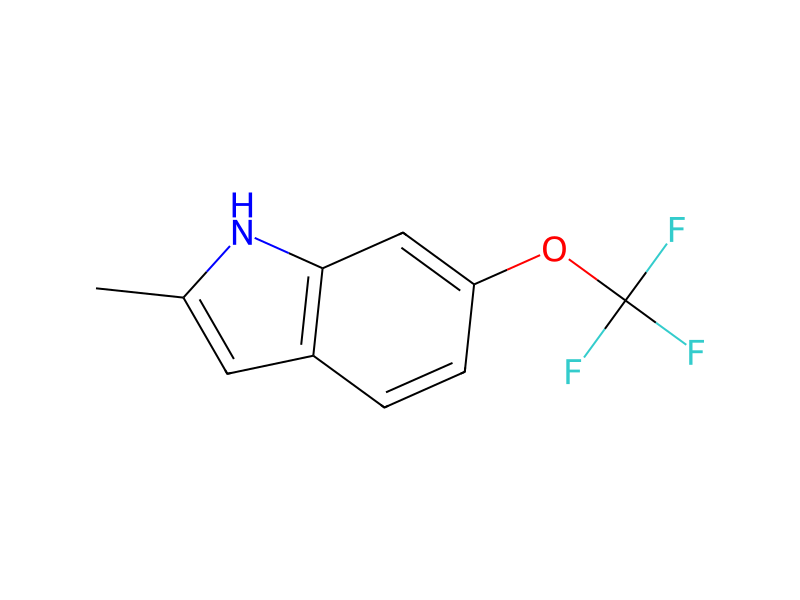
COc1cccc(Br)c1.Cc1cc2ccc(OC(F)(F)F)cc2[nH]1>CC(C)(C)P(c1ccccc1-c1ccccc1)C(C)(C)C.CC(C)(C)[O-].Cc1ccccc1.O=C(/C=C/c1ccccc1)/C=C/c1ccccc1.O=C(/C=C/c1ccccc1)/C=C/c1ccccc1.O=C(/C=C/c1ccccc1)/C=C/c1ccccc1.[Na+].[Pd].[Pd]>COc1cccc(-n2c(C)cc3ccc(OC(F)(F)F)cc32)c1Participants
7
Reactant 2
Product 1

Reagents, catalysts & solvents 4




Conditions
- Temperature
- 120 °C
Procedure
EN04773-51, _Buchwald coupling,_ ** _J. Med. Chem. 2009, page 3846-3854 (exactly same reaction)._** The indole from 4773-41, 1-bromo-3-methoxybenzenee,Pd2(dba)3, JohnPhos and KOtBu were dissolved in toluene. The mixture was warmed at 120 °C for 1h and ~65% conversion was observed on NMR*(see attached NMR). Reaction seems to work fine and assumed better yield than in 4773-50. This could be due to that bromides generally perform better than iodines in the Buchwald coupling. This test reaction was thrown away.
Sources & evidence
- ORD record
- ord-5f9307492f2b4cadaa0478f3250edc2b
- Source dataset
- 750 AstraZeneca ELN dataset
- Original link
- View source
Linked notes
Loading…