Reaction equation

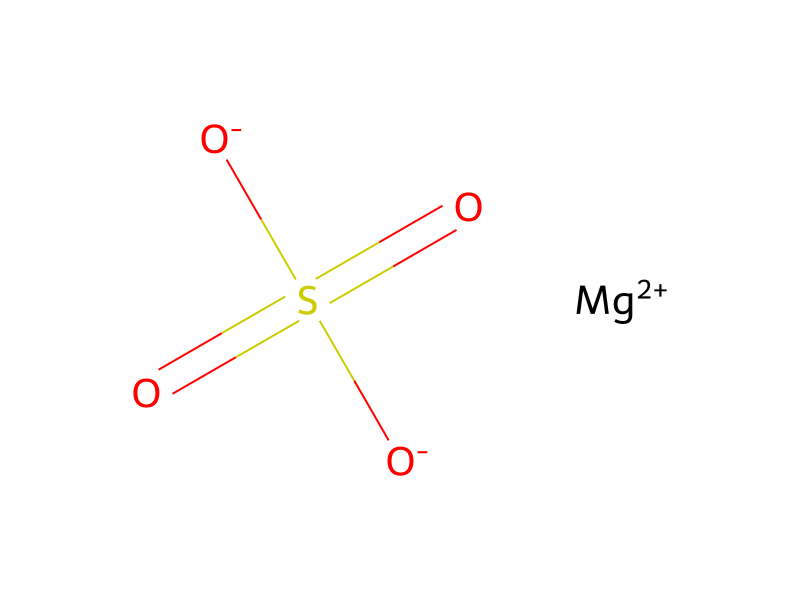
[NH2:1][C@@H:2]([C:7]([OH:9])=[O:8])[C:3]([SH:6])([CH3:5])[CH3:4].[CH3:10][N:11]([CH3:18])[C:12](=[O:17])[CH2:13][C:14]([CH3:16])=O.S([O-])([O-])(=O)=O.[Mg+2]>C1C=CC=CC=1>[CH3:4][C:3]1([CH3:5])[S:6][C:14]([CH2:13][C:12]([N:11]([CH3:18])[CH3:10])=[O:17])([CH3:16])[NH:1][CH:2]1[C:7]([OH:9])=[O:8]Participants
5




Procedure
A suspension of 2.00 g (13.4 mmoles) of D-penicillamine and 1.73 g (13.4 mmoles) of N,N-dimethylacetoacetamide in 15 ml of dry benzene, and 0.6 g of anhydrous magnesium sulfate was refluxed for 3.5 hours under a stream of argon. The reaction mixture became clear and then the solvent was distilled off. The resulting residue was dissolved in hot methyl alcohol. Insolubles were removed by filtration and the solvent was again distilled off. The residue was crystallized from chloroform and further recrystallized from ethyl alcohol-ether to give 2.3 g of 4-carboxy-2,5,5-trimethylthiazolidine-2-N,N-dimethylacetamide as colorless prisms.
Workup
- temperaturewas refluxed for 3.5 hours under a stream of argon
- distillationthe solvent was distilled off
- dissolutionThe resulting residue was dissolved in hot methyl alcohol
- customInsolubles were removed by filtration
- distillationthe solvent was again distilled off
- customThe residue was crystallized from chloroform
- customfurther recrystallized from ethyl alcohol-ether
Sources & evidence
- ORD record
- ord-dea7b4a90e8c42ab96f85ff15f067179
- Source dataset
- uspto-grants-1983_08
- Patent number
- US04398026
Linked notes
Loading…