HomeMCPSkillsWorkbenchOpenChem
HomeWorkbenchNotificationsMe
llms.txt · skill.md · MCP GuidePrivacy Policy · Terms of Service · Supportv1.8.5
  1. Home
  2. /Reaction

Methylhydrazine → N-(5-Cyclohexyl-1,3,4-thiadiazol-2-yl)-1-methylhydrazine-1-carboxamide

HRID 435915
Print

Reaction equation

[CH3:1][NH:2][NH2:3].[CH:4]1([C:10]2[S:14][C:13]([N:15]=[C:16]=[O:17])=[N:12][N:11]=2)[CH2:9][CH2:8][CH2:7][CH2:6][CH2:5]1.NN>C(Cl)Cl>[CH3:1][N:2]([C:16]([NH:15][C:13]1[S:14][C:10]([CH:4]2[CH2:5][CH2:6][CH2:7][CH2:8][CH2:9]2)=[N:11][N:12]=1)=[O:17])[NH2:3]
ParticipantsProcedureWorkupSources & evidenceReaction notes

Participants

5

Reactant 3

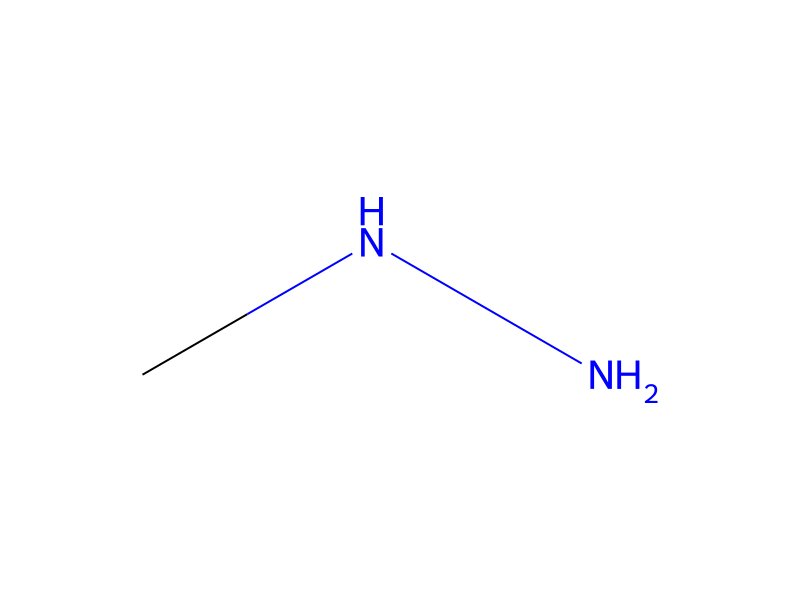
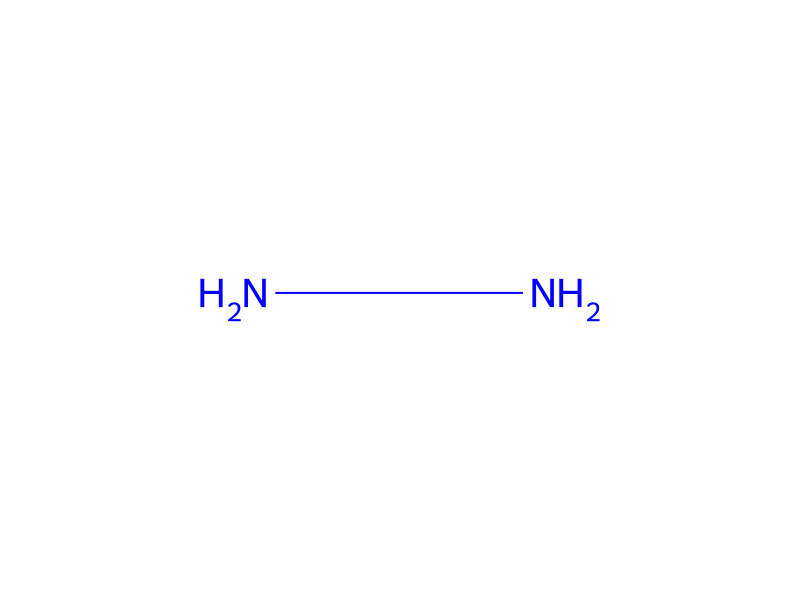
HCID 6061MethylhydrazineHCID 9321HydrazineHCID 539244442-Cyclohexyl-5-isocyanato-1,3,4-thiadiazole

Product 1

HCID 21454603N-(5-Cyclohexyl-1,3,4-thiadiazol-2-yl)-1-methylhydrazine-1-carboxamide

Reagents, catalysts & solvents 1

HCID 6344DichloromethaneSolvent

Procedure

A solution of methylhydrazine (0.3 mole) in methylene chloride (150 ml) is charged into a glass reaction vessel equipped with a mechanical stirrer, thermometer and reflux condenser. 5-cyclohexyl-1,3,4-thiadiazol-2-yl isocyanate dimer (0.1 mole) is then added, with stirring, at room temperature. After the addition is completed the reaction mixture is heated at reflux for a period of about 4 hours. After this time the reaction mixture is stripped of solvent and excess hydrazine to yield the desired product 2-methyl-4-(5-cyclohexyl-1,3,4-thiadiazol-2-yl)semicarbazide as the residue.

Workup

  1. customequipped with a mechanical stirrer
  2. temperaturethermometer and reflux condenser
  3. additionAfter the addition
  4. temperatureis heated
  5. temperatureat reflux for a period of about 4 hours

Sources & evidence

ORD record
ord-319a862fa58843e28fc753fafe5e3f6e
Source dataset
uspto-grants-1977_02
DOI
10.6084/m9.figshare.5104873.v1
Patent number
US04007031

Reaction notes

On this pageParticipantsProcedureWorkupSources & evidenceReaction notes