Reaction equation

ClC1C=CC(C(OC)=O)=CC=1.COC1C=C(C=CC=1)C(OC)=O.[CH3:24][O:25][C:26]1[CH:27]=[C:28]([CH:42]=[CH:43][CH:44]=1)[C:29]([C:31]1[C:32]([OH:41])=[CH:33][C:34]2[C:39]([CH:40]=1)=[CH:38][CH:37]=[CH:36][CH:35]=2)=[O:30]>>[CH3:24][O:25][C:26]1[CH:27]=[C:28]([CH:42]=[CH:43][CH:44]=1)[C:29]([C:31]1[C:40]2[C:39](=[CH:38][CH:37]=[CH:36][CH:35]=2)[CH:34]=[CH:33][C:32]=1[OH:41])=[O:30]Participants
4
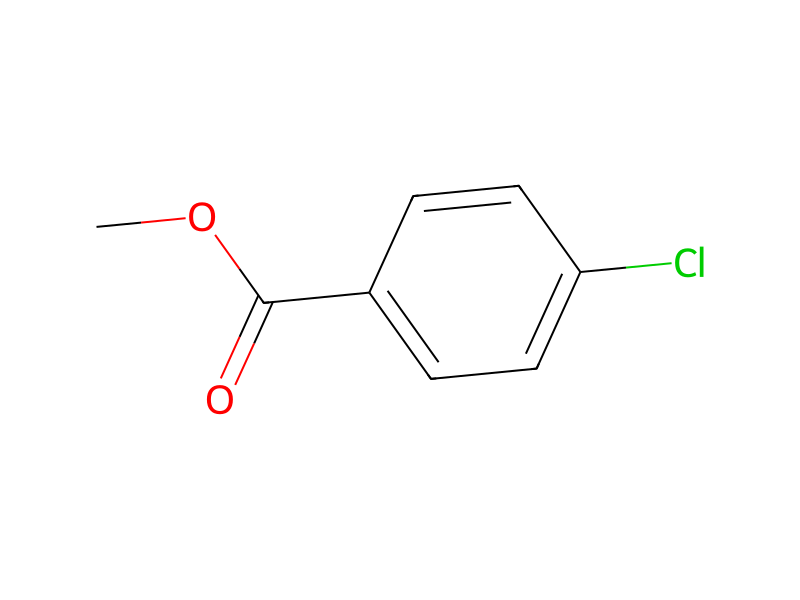


Procedure
Following the procedure of Example 4, but using in place of the methyl p-chlorobenzoate used therein, an approximately equivalent amount of methyl m-methoxybenzoate, there is accordingly obtained 3-(m-methoxybenzoyl)-2-naphthol.
Sources & evidence
- ORD record
- ord-7840b1b9041847169840001fb0b1b613
- Source dataset
- uspto-grants-1977_08
- Patent number
- US04042704
Linked notes
Loading…