Reaction equation

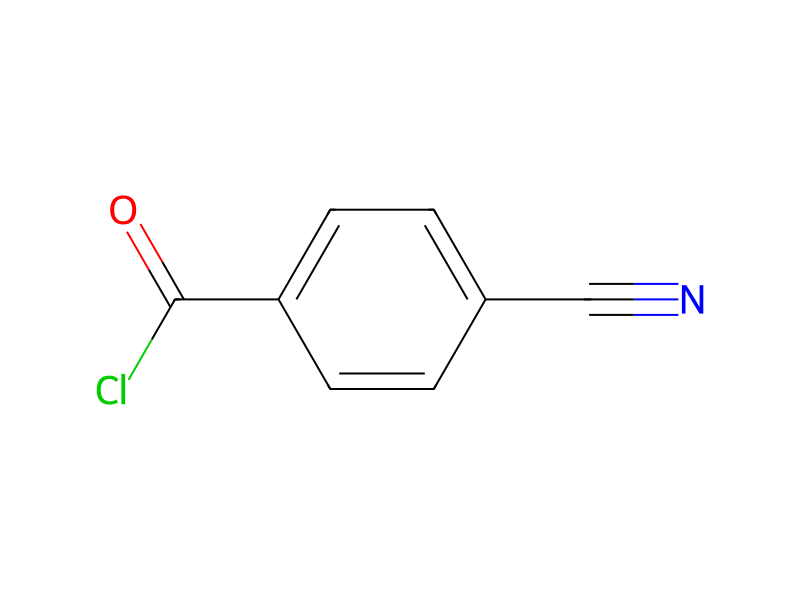
[C:1]([C:3]1[CH:11]=[CH:10][C:6]([C:7](Cl)=[O:8])=[CH:5][CH:4]=1)#[N:2].[CH2:12]([NH:19][C:20]([C:22]1[S:26][C:25]([NH2:27])=[N:24][C:23]=1[CH3:28])=[O:21])[C:13]1[CH:18]=[CH:17][CH:16]=[CH:15][CH:14]=1>>[CH2:12]([NH:19][C:20]([C:22]1[S:26][C:25]([NH:27][C:7](=[O:8])[C:6]2[CH:10]=[CH:11][C:3]([C:1]#[N:2])=[CH:4][CH:5]=2)=[N:24][C:23]=1[CH3:28])=[O:21])[C:13]1[CH:18]=[CH:17][CH:16]=[CH:15][CH:14]=1Participants
3


Procedure
Following the procedure as described in Example 2, making variations only as required to use 4-cyanobenzoyl chloride in place of benzoyl chloride to react with 2-amino-4-methylthiazole-5-carboxylic acid benzylamide, the title compound was obtained as a white solid in 23% yield; m.p. 256-258° C.; 1H NMR (DMSO-d6, 300 MHz) δ 8.64 (t, J=5.7 Hz, 1H), 8.19 (d, J=8.2 Hz, 2H), 7.99 (d, J=8.2 Hz, 2H), 7.49-7.18 (m, 5H), 4.37 (d, J=5.7 Hz, 2H), 2.51 (s, 3H); MS (ES+) m/z 377.2 (M+1).
Sources & evidence
- ORD record
- ord-e6742ee856024641a4862b488010a213
- Source dataset
- uspto-grants-2013_09
- Patent number
- US08541457B2
Linked notes
Loading…