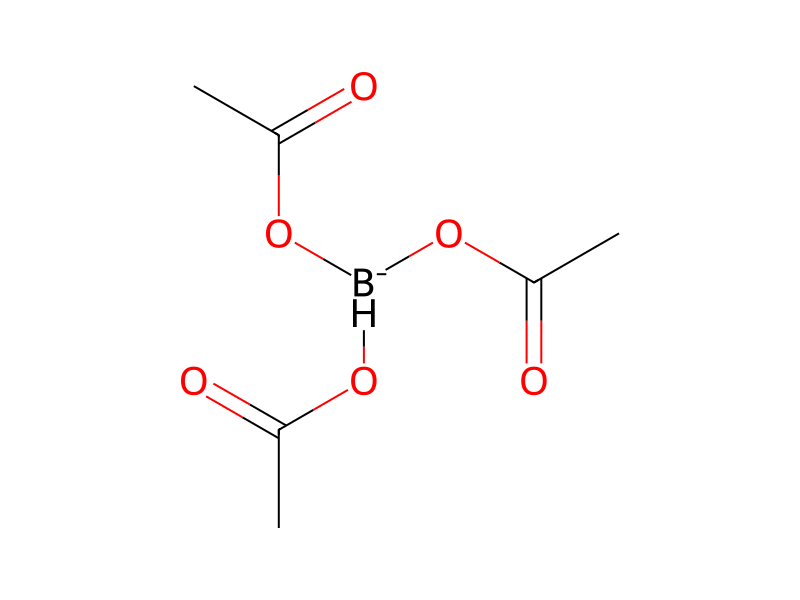
Cl.[NH:2]1[CH2:7][CH2:6][CH:5]([O:8][C:9]2[CH:17]=[CH:16][C:12]([C:13]([NH2:15])=[O:14])=[CH:11][CH:10]=2)[CH2:4][CH2:3]1.[C:18]1([CH2:24][CH2:25][CH:26]=O)[CH:23]=[CH:22][CH:21]=[CH:20][CH:19]=1.C(O[BH-](OC(=O)C)OC(=O)C)(=O)C>C(Cl)Cl>[C:18]1([CH2:24][CH2:25][CH2:26][N:2]2[CH2:3][CH2:4][CH:5]([O:8][C:9]3[CH:17]=[CH:16][C:12]([C:13]([NH2:15])=[O:14])=[CH:11][CH:10]=3)[CH2:6][CH2:7]2)[CH:23]=[CH:22][CH:21]=[CH:20][CH:19]=1Combine 4-(piperidin-4-yloxy)-benzamide hydrochloride (102 mg, 0.397 mmol), 3-phenyl-propionaldehyde (106 μL, 0.796 mmol) and triacetoxy-borohydride (127 mg, 0.597 mmol) in CH2Cl2 (3 mL). Stir the reaction mixture at room temperature overnight. Dilute the reaction mixture with CH2Cl2 (3 mL) and wash with sodium hydroxide (1N, aq. 5 mL). Separate the organic layer and placed onto an SCX column directly eluting with ammonia (2.0 in methanol). The resulting residue was triturated with CH2Cl2 and diethyl ether to provide the title compound (63 mg, 47%) as a white solid. mass spectrum (ion spray): m/z=339.1 (M+1); 1H NMR (CDCl3): 7.79 (ad, J=9.0 Hz, 3H), 7.28–7.12 (m, 6H), 6.95 (d, J=9.0 Hz, 2H), 4.74–4.40 (m, 1H), 2.70–2.63 (bm, 2H), 2.56 (t, J=7.6 Hz, 2H), 2.31–2.25 (bm, 2H), 2.22–2.15 (bm, 2H), 1.96–1.89 (bm, 2H), 1.71 (pentet, J=7.3 Hz, 2H), 1.63–1.56 (m, 2H).