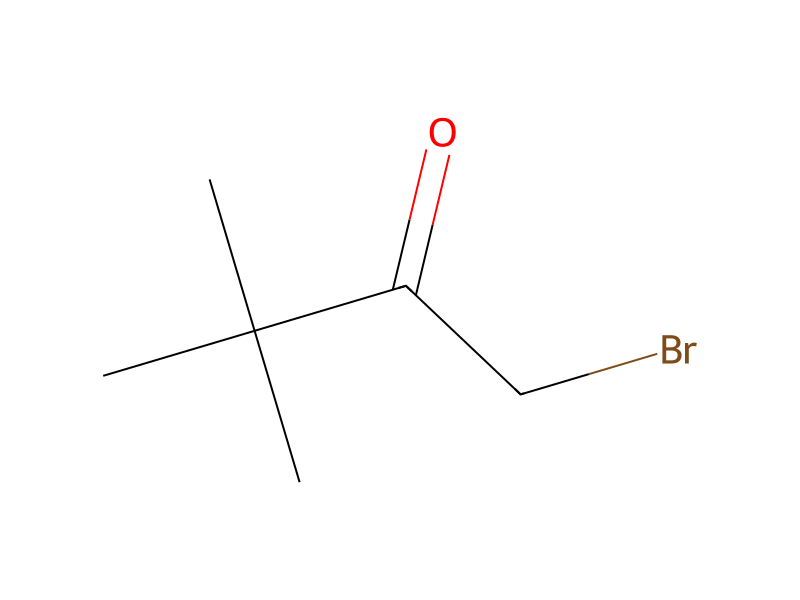
5 g of 4-(2-hydroxyethyl)-1-piperazinyl-thiocarboxamide are added to a solution of 3.6 g of bromopinacoline in 70 cc of ethanol, and the reaction mixture is subsequently heated to the boil at reflux for 2 hours. The mixture is then concentrated by evaporation in a vacuum. The residue is dissolved in a small amount of water and is divided between chloroform and a concentrated aqueous sodium hydroxide solution. The chloroform phase is washed with water, dried over sodium sulphate and concentrated by evaporation in a vacuum. Hydrochloric acid in ethanol is added to the resulting oil and the solution is concentrated by evaporation. After recrystallizing the residue from a small amount of ethanol/diethyl ether, 2-[4-(2-hydroxyethyl)-1-piperazinyl]-4-tert.butyl-thiazole dihydrochloride, having a M.P. of 133°-142°, is obtained. The free base is obtained is known manner from the dihydrochloride by treatment with an aqueous sodium hydroxide solution.