HomeMCPWorkbenchSkills
HomeWorkbenchNotificationsMe
llms.txt · MCP GuidePrivacy Policy · Terms of Service · Supportv1.8.0
  1. Home
  2. /Reaction

Glycine ethyl ester, hydrochloride → Ethyl 2-[(3-amino-5-fluoro-2-pyridinyl)amino]acetate

HRID 466
Notes
Print preview

Reaction equation

HRID 466 reaction equation
CCOC(=O)CN.Cl.Nc1cc(F)cnc1Br>CC(=O)O.CC(=O)O.Cc1ccccc1.O=C([O-])[O-].[Cs+].[Cs+].[Pd].c1ccc(P(c2ccccc2)c2ccc3ccccc3c2-c2c(P(c3ccccc3)c3ccccc3)ccc3ccccc23)cc1>CCOC(=O)CNc1ncc(F)cc1N
ParticipantsConditionsProcedureSources & evidenceReaction notes

Participants

7

Reactant 2

HCID 2723640Glycine ethyl ester, hydrochlorideHCID 404273672-Bromo-5-fluoropyridin-3-amine

Product 1

HCID 132224848Ethyl 2-[(3-amino-5-fluoro-2-pyridinyl)amino]acetateYield 0%

Reagents, catalysts & solvents 4

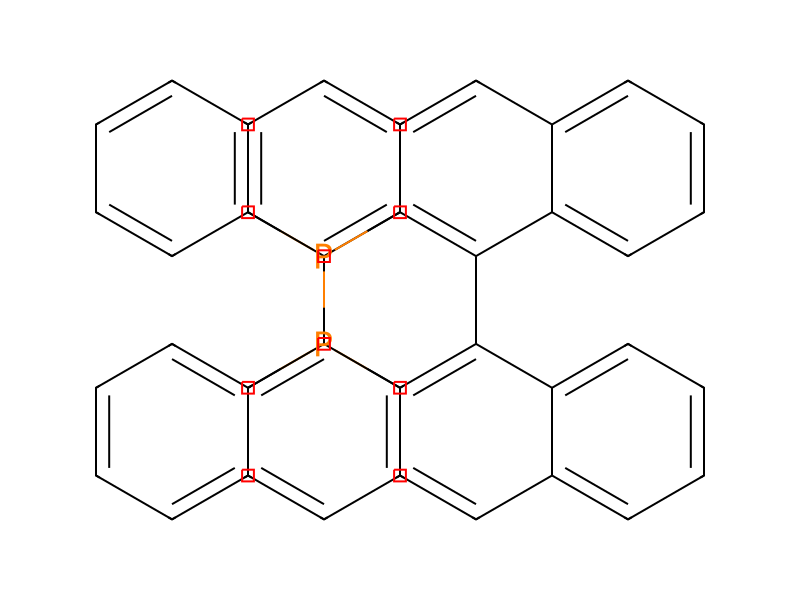
HCID 10796Cesium carbonateReagentHCID 634876Binap, (A+-)-Catalyst
On this pageParticipantsConditionsProcedureSources & evidenceReaction notes
HCID 4144353
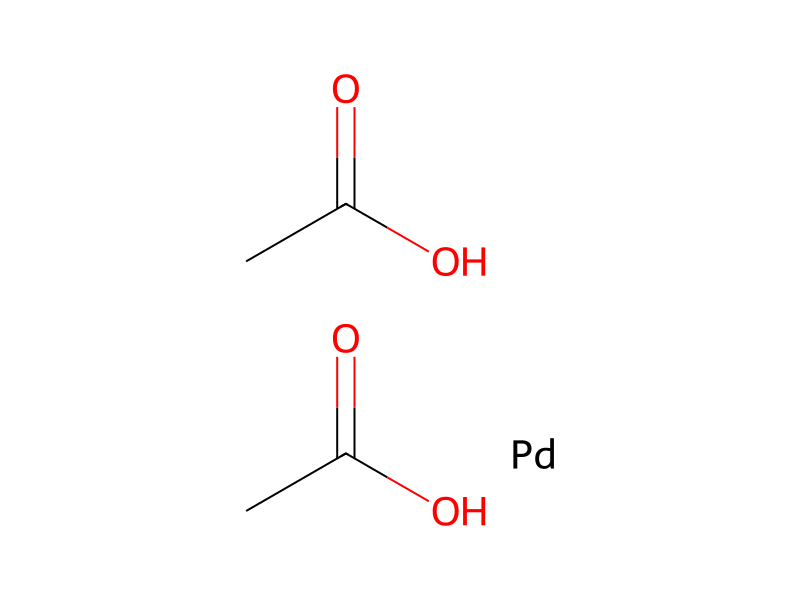
Palladium (II) acetate
Catalyst
HCID 1140TolueneSolvent

Conditions

Temperature
120 °C

Procedure

In a 50 mL round-bottomed flask 2-bromo-5-fluoropyridin-3-amine (500 mg, 2.62 mmol) ethyl 2-aminoacetate hydrochloride (731 mg, 5.24 mmol) BINAP (163 mg, 0.26 mmol) palladium(II) acetate (58.8 mg, 0.26 mmol) CESIUM CARBONATE (2559 mg, 7.85 mmol) were taken.The solids were mixed well and degassed.The toluene was taken in another RB and degassed using Nitrogen.The degassed toluene was then added to the solids.The resulting RM was heated to reflux for 16 hrs. The reaction was monitored by LCMS, which indicated starting material only and no required product. Therefore, the batch was discarded.

Sources & evidence

ORD record
ord-a7df51f0be0a4af98f3bfe87d6600255
Source dataset
750 AstraZeneca ELN dataset
Original link
View source

Reaction notes

Loading…