Reaction equation

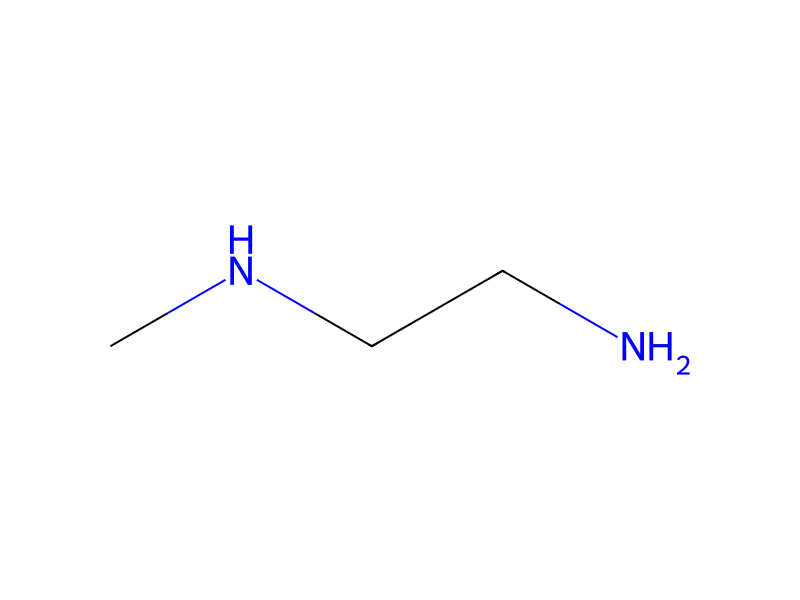
[CH3:1][NH:2][CH2:3][CH2:4]N.I.[C:7]1([CH:13]([C:19]2[CH:24]=[CH:23][CH:22]=[CH:21][CH:20]=2)[NH:14][C:15](=[NH:18])SC)[CH:12]=[CH:11][CH:10]=[CH:9][CH:8]=1>ClC1C=CC=CC=1Cl>[C:7]1([CH:13]([NH:14][C:15]2[N:2]([CH3:1])[CH2:3][CH2:4][N:18]=2)[C:19]2[CH:24]=[CH:23][CH:22]=[CH:21][CH:20]=2)[CH:12]=[CH:11][CH:10]=[CH:9][CH:8]=1Participants
Reactant 2

Product 1

Reagents, catalysts & solvents 1

Procedure
To 7.41 grams (0.10 mole) of N-methylethylenediamine was added 38.43 grams (0.10 mole) of 1-(diphenylmethyl)-2-methyl-2-thiopseudourea hydroiodide in 250 milliliters of o-dichlorobenzene and the resulting mixture allowed to reflux overnight to produce the desired 2-diphenylmethylamino-1-methyl-2-imidazoline product. After completion of the heating, the solvent was removed by decantation and the residue purified by first dissolving in methanol containing activated carbon, replacing the methanol with isopropanol and diluting the isopropanol with acetone-ether to precipitate 16.55 grams (65 percent yield) of 2-diphenylmethylamino-1-methyl-2-imidazoline hydroiodide, m.p. 226°-228° C. After purification by treating with activated charcoal in methanol and recrystallizations from methanol-isopropanol, the product melted at (225°) 227°-229° C.
Workup
- temperatureto reflux overnight
Sources & evidence
- ORD record
- ord-8e0652bcc7e64582be1d18a1658581e3
- Source dataset
- uspto-grants-1979_11
- Patent number
- US04174401
Linked notes
Loading…