Potassium Nitrate → 2-Admantyl-4-methyl-5-nitrophenyl ethyl carbonate
HRID 470031
Reaction equation

[C:1](=[O:23])([O:20][CH2:21][CH3:22])[O:2][C:3]1[CH:8]=[CH:7][C:6]([CH3:9])=[CH:5][C:4]=1[CH:10]1[CH:17]2[CH2:18][CH:13]3[CH2:14][CH:15]([CH2:19][CH:11]1[CH2:12]3)[CH2:16]2.[N+:24]([O-])([O-:26])=[O:25].[K+]>OS(O)(=O)=O>[C:1](=[O:23])([O:20][CH2:21][CH3:22])[O:2][C:3]1[CH:8]=[C:7]([N+:24]([O-:26])=[O:25])[C:6]([CH3:9])=[CH:5][C:4]=1[CH:10]1[CH:11]2[CH2:19][CH:15]3[CH2:14][CH:13]([CH2:18][CH:17]1[CH2:16]3)[CH2:12]2Participants
4
Reactant 2
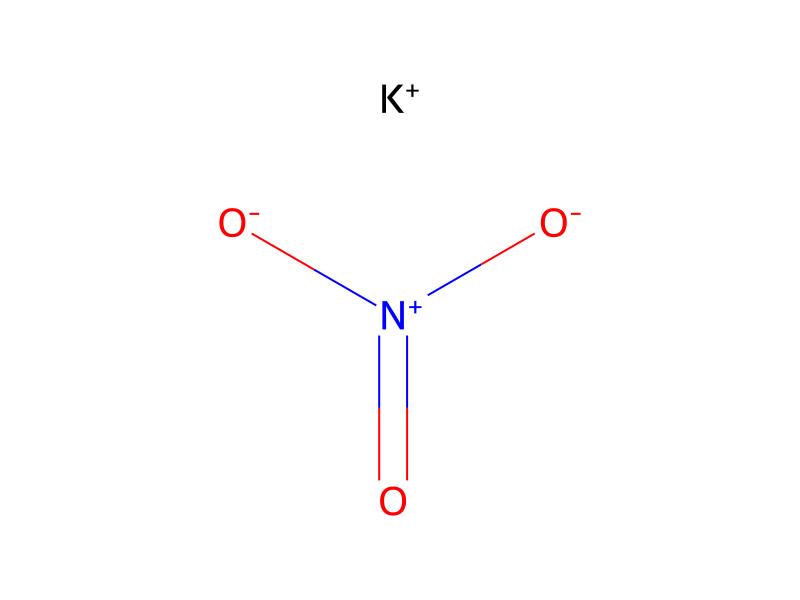

Product 1

Reagents, catalysts & solvents 1

Procedure
To a cooled solution of 2-admantyl-4-methyl-phenyl ethyl carbonate (1.32 g, 4.2 mmol) in H2SO4 (98%, 10 mL) was added KNO3 (510 mg, 5.0 mmol) in small portions at 0° C. The mixture was stirred for 3 h while warming to room temperature, poured into ice and then extracted with dichloromethane. The combined organic layers were washed with NaHCO3 and brine, dried over MgSO4 and concentrated to dryness. The residue was purified by column chromatography (0-10% EtOAc—Hexane) to yield 2-admantyl-4-methyl-5-nitrophenyl ethyl carbonate (378 mg, 25%).