Reaction equation

[C:1](OC=C)(=[O:6])[C:2]([CH3:5])([CH3:4])[CH3:3].Cl[C:11]([Cl:16])([Cl:15])[C:12](Cl)=[O:13].[O-][Mn](=O)(=O)=O.[K+].[CH3:23][CH2:24][O:25]CC>[Zn]>[C:1]([O:13][CH:12]1[CH2:23][C:24](=[O:25])[C:11]1([Cl:16])[Cl:15])(=[O:6])[C:2]([CH3:5])([CH3:4])[CH3:3]Participants
6
Reactant 4



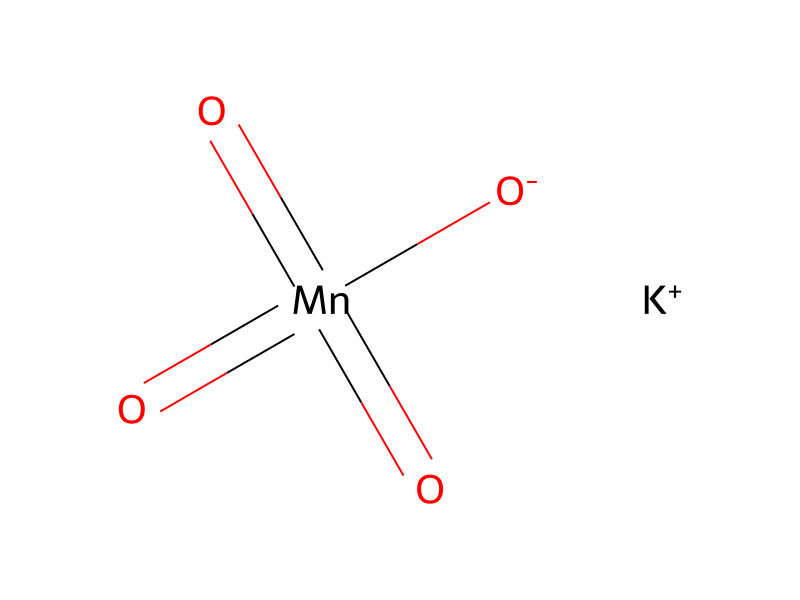
Product 1

Reagents, catalysts & solvents 1

Conditions
- Temperature
- 22.5 °C
Procedure
To a stirred mixture of vinyl pivalate (30 g, 234 mmol) and zinc (31 g, 468 mmol) in ether (300 ml) was added a solution of 2,2,2-trichloroacetyl chloride (55 g, 304 mmol) in ether (300 ml) dropwise (2-3 h) in a water bath. (Note: fast addition causes the reaction temp. to elevate) while maintaining the reaction temperature between 15-30° C. After the reaction was done (stained with KMnO4 solution), it was filtered through Celite. The filtrate was washed with cold water, brine, dried over MgSO4 and concentrated to give the title compound as an orange solid.
Workup
- addition(Note: fast addition
- customthe reaction temp
- filtrationwas filtered through Celite
- washThe filtrate was washed with cold water, brine
- dry with materialdried over MgSO4
- concentrationconcentrated
Sources & evidence
- ORD record
- ord-052960677a784869b91cdc966dd857ae
- Source dataset
- uspto-grants-2014_01
- Patent number
- US08633315B2
Linked notes
Loading…