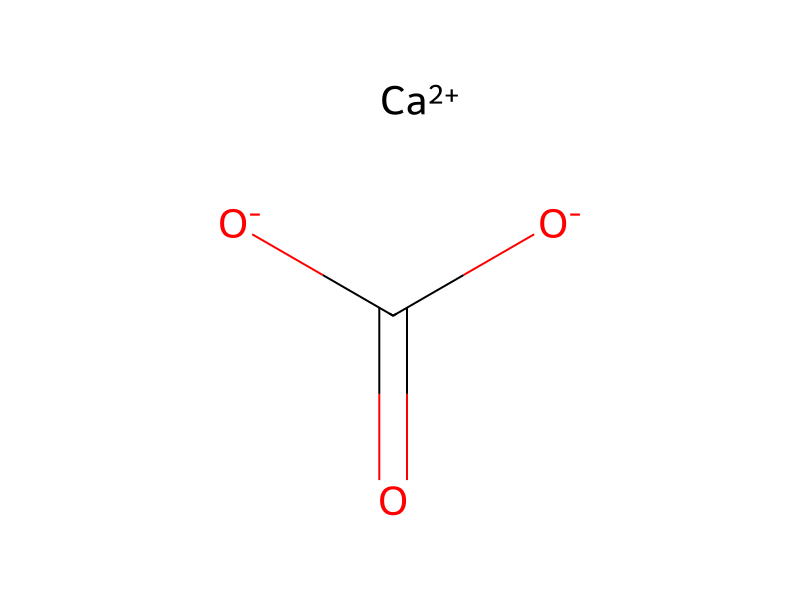
[NH2:1][C:2]1[C:11]([I:12])=[CH:10][C:5]([C:6]([O:8][CH3:9])=[O:7])=[C:4]([Cl:13])[CH:3]=1.C([O-])([O-])=O.[Ca+2].II.[CH2:21]([Cl:23])Cl>CO>[NH2:1][C:2]1[C:11]([I:12])=[CH:10][C:5]([C:6]([O:8][CH3:9])=[O:7])=[C:4]([Cl:13])[CH:3]=1.[NH2:1][C:2]1[CH:3]=[CH:4][C:5]([C:6]([O:8][CH3:9])=[O:7])=[C:21]([Cl:23])[C:11]=1[I:12]Methyl 4-amino-2-chloro-5-iodo-benzoate, 23c. To a suspension of compound 23b (1.18 g, 6.38 mmol) and CaCO3 (12.8 mmol, 1.28 g) in MeOH (13 mL) was added a solution of iodine monchloride (6.70 mmol, 1.09 g) in CH2Cl2 (6 mL) dropwise at room temperature. The resulting reaction mixture was stirred at room temperature for 1.5 h. The reaction mixture was concentrated and then partitioned between EtOAc and water. The organic layer was concentrated and purified by flash column chromatography (silica gel, 20-25% EtOAc/hexanes) to provide methyl 4-amino-2-chloro-5-iodo-benzoate 23c as the major the product and methyl 4-amino-2-chloro-3-iodo-benzoate 23d as the minor product.