Cyanogen Bromide → Quinazolin-2-amine
Reaction equation
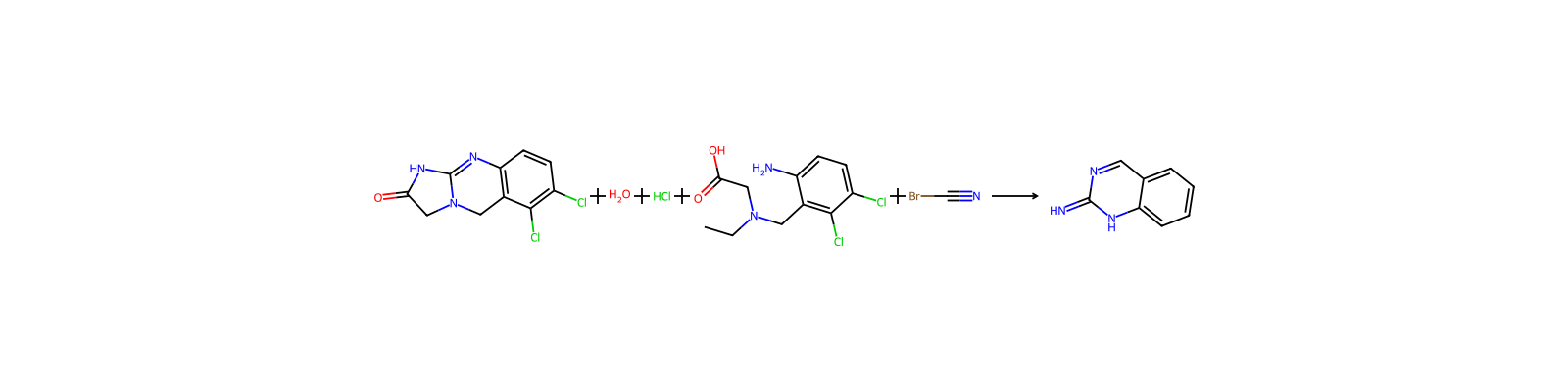
[CH:1]1[C:6]2[N:7]=[C:8]3[N:13]([CH2:14][C:5]=2[C:4](Cl)=[C:3](Cl)[CH:2]=1)CC(=O)[NH:9]3.O.Cl.C(N(CC1C(N)=CC=C(Cl)C=1Cl)CC(O)=O)C.N#CBr>>[NH:9]=[C:8]1[N:13]=[CH:14][C:5]2[C:6](=[CH:1][CH:2]=[CH:3][CH:4]=2)[NH:7]1Participants
5


Procedure
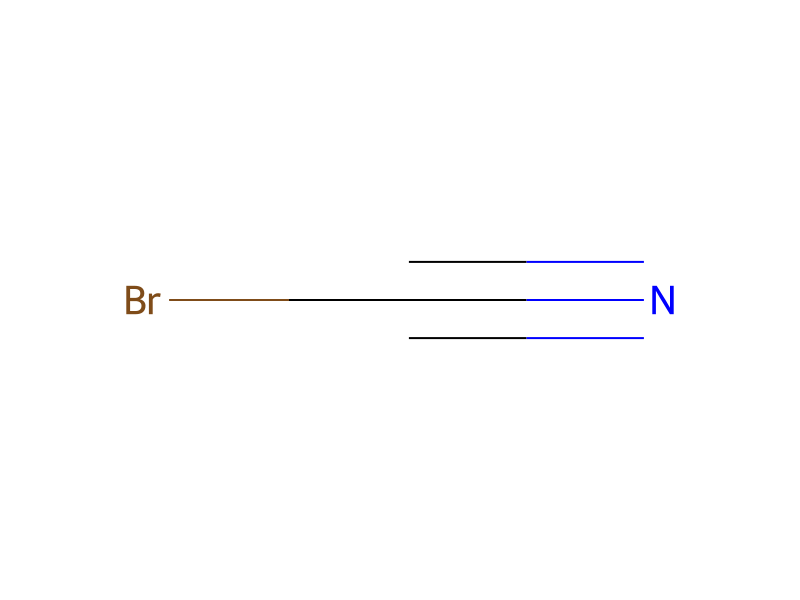
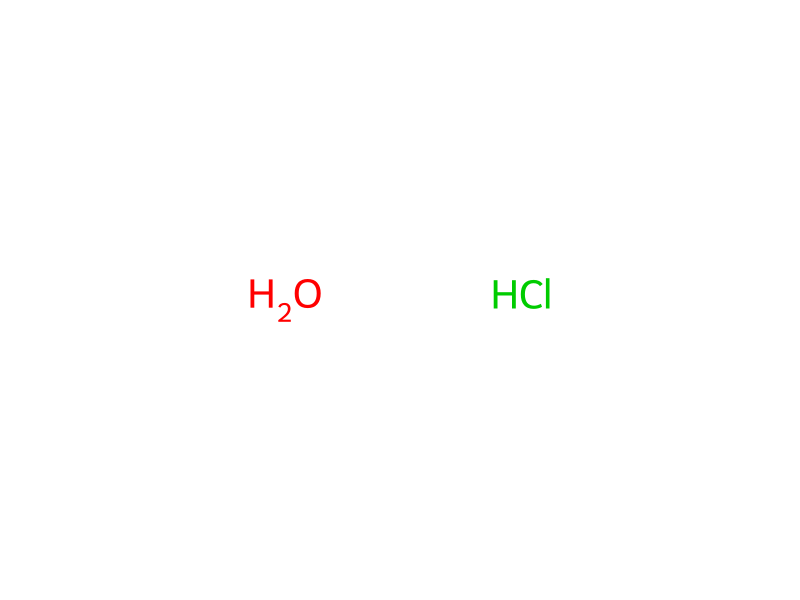
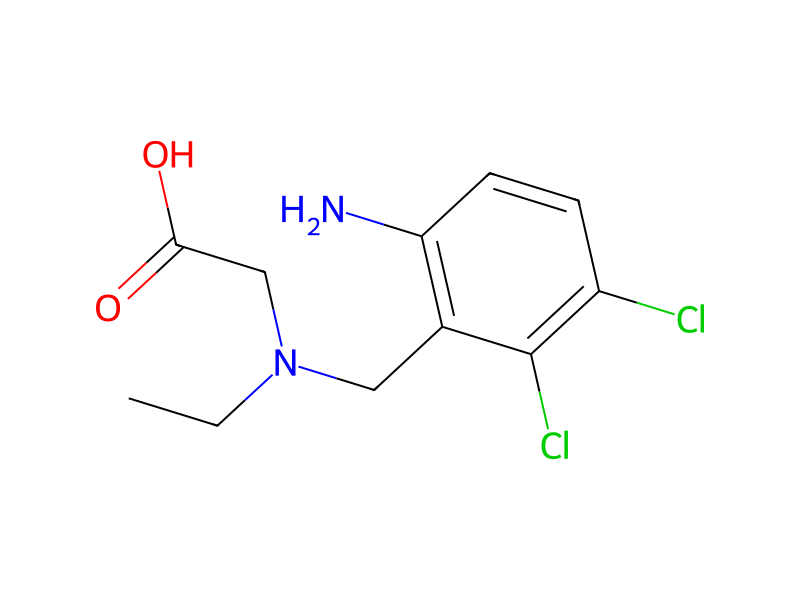
Commercially, as discussed in U.S. Pat. No. 5,801,245 and as shown in FIG. 1, Anagrelide has been prepared as the hydrochloride monohydrate (compound IV) from the intermediate, ethyl N-(6-amino-2,3-dichlorobenzyl)glycine (compound I) by reaction with cyanogen bromide in hot alcohol solution, or, preferentially, by reaction with cyanogen bromide in an aprotic solvent to give the iminoquinazoline intermediate (compound II) which is isolated and then reacted with a base in a hot solution of alcohol to form Anagrelide base (compound III).