Reaction equation

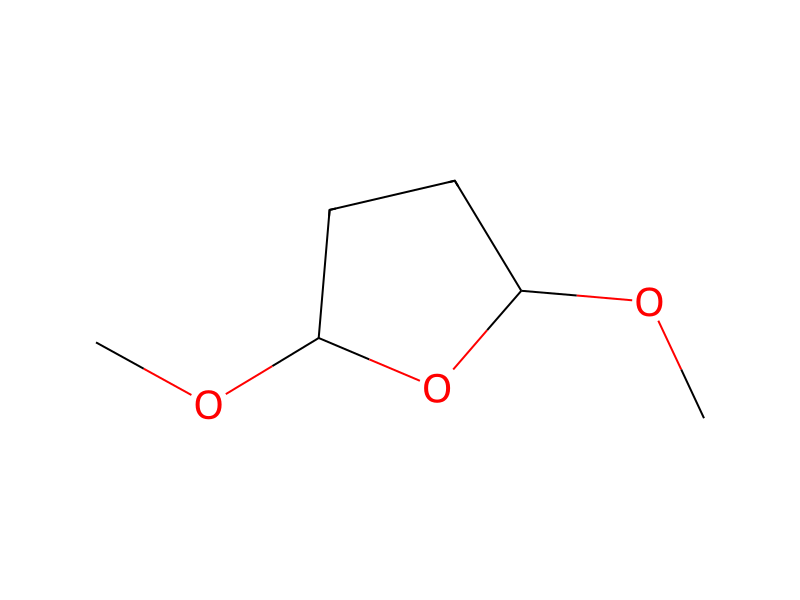
COC1CCC(OC)O1.C[O:11][C:12]([C:14]1[CH:19]=[CH:18][CH:17]=[CH:16][C:15]=1[N:20]1[CH:24]=[CH:23][CH:22]=[CH:21]1)=[O:13].[K].[OH-].[Na+]>>[C:12]([C:14]1[CH:19]=[CH:18][CH:17]=[CH:16][C:15]=1[N:20]1[CH:24]=[CH:23][CH:22]=[CH:21]1)([OH:13])=[O:11]Participants




Procedure
Synthesis substrates 9H-pyrrolol[1,2-a]indole and 9H-pyrrolol[1,2-a]indol-9-one and their derivatives are prepared in accordance with the general methods of Josey and Jenner, J. Org. Chem., 27 (1962) 2466 and Mazzola et al., J. Org. Chem., 32 (1967) 486. The process involves condensation of a substituted or unsubstituted methyl anthranilate (Aldrich Chemical, Inc.) with 2,5-dimethoxytetrahydrofuran (Aldrich Chemical, Inc.) in glacial acetic acid. Ester hydrolysis of the resulting 1-(2-methoxycarbonylphenyl)pyrrole with 10-15% potassium or sodium hydroxide in aqueous alcohol (e.g., 50% methanol) yields after acidification and subsequent work-up yields the corresponding 1-(2-carboxyphenyl)pyrrole. This acid is then converted into the corresponding acyl chloride to facilitate a Friedel-Crafts cyclization to the ketone. The preferred method of preparing the acyl chloride is with phosphorus pentachloride followed with stannic chloride as the Friedel-Crafts catalyst to cyclize the acyl chloride to the desired ketone. ##STR61## R=CH3,OCH3,H Z=Cl,H
Workup
- customare prepared in accordance with the general methods of Josey and Jenner, J
- customyields after acidification and subsequent work-up
Sources & evidence
- ORD record
- ord-e5c2623e909a46248806de08463fa345
- Source dataset
- uspto-grants-1985_08
- Patent number
- US04537892
Linked notes
Loading…