2,4-Di-tert-butylphenol → 2,4,6-Tri-tert-butylphenol
HRID 486978
Reaction equation

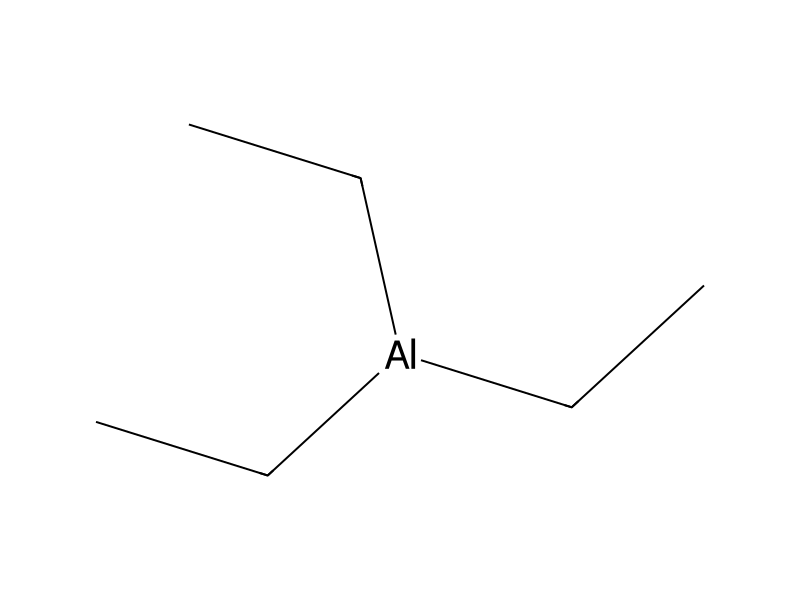
[C:1]([C:5]1[CH:10]=[C:9]([C:11]([CH3:14])([CH3:13])[CH3:12])[CH:8]=[CH:7][C:6]=1[OH:15])([CH3:4])([CH3:3])[CH3:2].C([Al](CC)CC)C.[CH2:23]=[C:24]([CH3:26])[CH3:25]>CCCCCC>[C:1]([C:5]1[CH:10]=[C:9]([C:11]([CH3:14])([CH3:13])[CH3:12])[CH:8]=[C:7]([C:24]([CH3:26])([CH3:25])[CH3:23])[C:6]=1[OH:15])([CH3:4])([CH3:3])[CH3:2]Participants
5
Reactant 3


Product 1

Reagents, catalysts & solvents 1

Procedure
By the method used in Examples 1-33, 171 g (0.83 mol) 2,4-di-tert-butylphenol (2,4-DTBP) was dissolved in 350 ml hexane, and the amount (if any) of various polyhalophenols indicated in Table VI was added to the mixture, followed by addition of 5.8 mmol triethylaluminum to said mixture, at room temperature. The 2,4-DTBP was then reacted with 1.2-1.6 mol isobutene at 1.7 bar and 30° C., to form 2,4,6-tri-tert-butylphenol (2,4,6-TTBP).