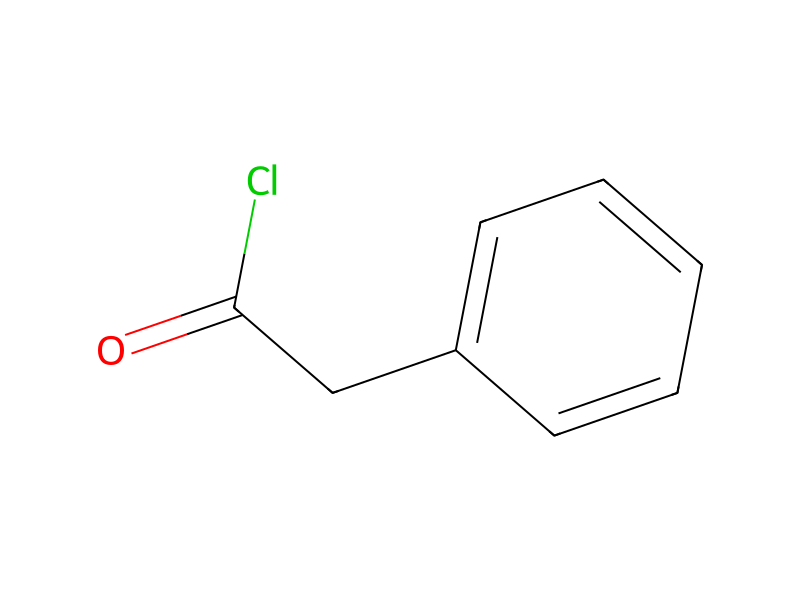
[C:1]1([CH2:7][C:8](Cl)=[O:9])[CH:6]=[CH:5][CH:4]=[CH:3][CH:2]=1.[S-:11][C:12]#[N:13].[K+].[NH2:15][C:16]1[CH:37]=[CH:36][C:19]([O:20][C:21]2[N:26]=[CH:25][N:24]=[C:23]([NH:27][C:28]([N:30]3[CH2:35][CH2:34][O:33][CH2:32][CH2:31]3)=[O:29])[CH:22]=2)=[C:18]([F:38])[CH:17]=1.CCCCCC>C(#N)C.C(OCC)C>[F:38][C:18]1[CH:17]=[C:16]([NH:15][C:12]([NH:13][C:8](=[O:9])[CH2:7][C:1]2[CH:6]=[CH:5][CH:4]=[CH:3][CH:2]=2)=[S:11])[CH:37]=[CH:36][C:19]=1[O:20][C:21]1[N:26]=[CH:25][N:24]=[C:23]([NH:27][C:28]([N:30]2[CH2:31][CH2:32][O:33][CH2:34][CH2:35]2)=[O:29])[CH:22]=12-Phenylacetyl chloride (0.064 ml) was dissolved in acetonitrile (3 ml) under a nitrogen atmosphere, and then potassium thiocyanate (94.8 mg) was added thereto at 60° C., followed by stirring at the same temperature for 2 hrs. The reaction mixture was cooled down to room temperature, and then a solution of morpholine-4-carboxylic acid [6-(4-amino-2-fluorophenoxy)pyrimidin-4-yl}amide (65.0 mg) in acetonitrile (3 ml) was added thereto, followed by stirring for 1 hr. The reaction mixture was partitioned between ethyl acetate and a saturated aqueous solution of sodium hydrogencarbonate. The organic layer was washed with a saturated aqueous solution of sodium hydrogencarbonate, water and brine in this order, and dried over anhydrous sodium sulfate. The solvent was evaporated under a reduced pressure to give a residue, which was then purified by silica gel column chromatography (eluent; hexane:ethyl acetate=1:4). Fractions containing the target compound were concentrated to give a residue, which was suspended in diethyl ether (3 ml)-hexane (3 ml). The solid was filtered off and dried under aeration to provide the titled compound (54.4 mg, 54.6%) as white powder.
Loading…