HomeMCPWorkbenchSkills
HomeWorkbenchNotificationsMe
llms.txt · MCP GuidePrivacy Policy · Terms of Service · Supportv1.8.1
  1. Home
  2. /Reaction

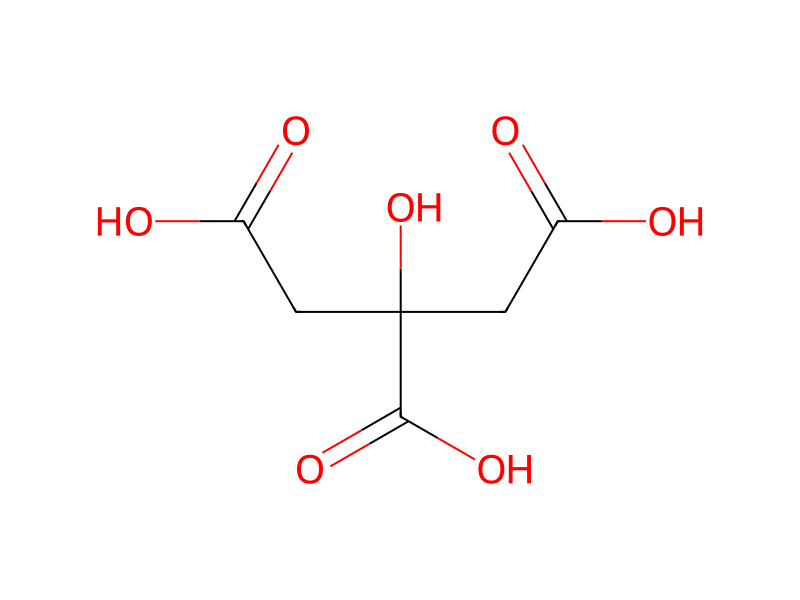
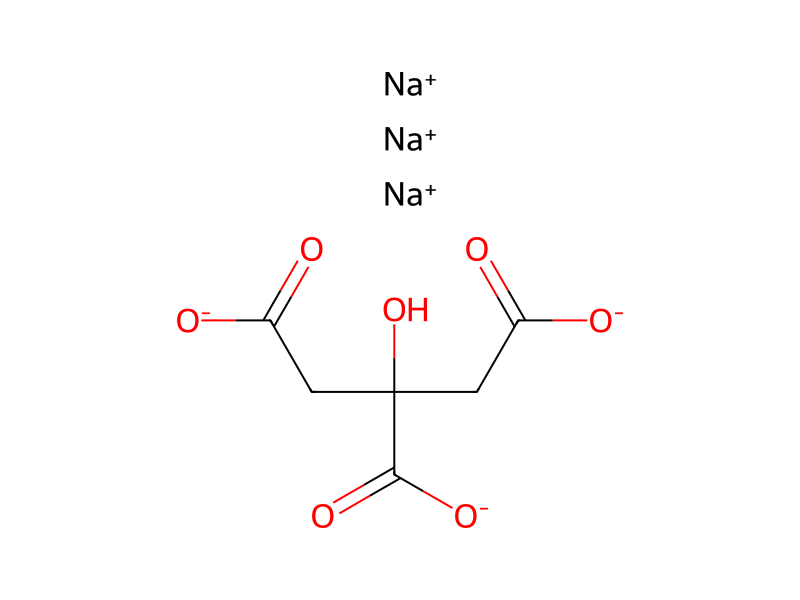
Citric Acid → Citric acid, lanthanum(3+) salt(1:1)

HRID 496532
Print

Reaction equation

HRID 496532 reaction equation
[C:1]([OH:13])(=[O:12])[CH2:2][C:3]([CH2:8][C:9]([OH:11])=[O:10])([C:5]([OH:7])=[O:6])[OH:4].[OH-].[Na+].O.O.O.O.O.O.O.[Cl-].[La+3:24].[Cl-].[Cl-].C([O-])(=O)CC(CC([O-])=O)(C([O-])=O)O.[Na+].[Na+].[Na+]>O>[C:1]([O-:13])(=[O:12])[CH2:2][C:3]([CH2:8][C:9]([O-:11])=[O:10])([C:5]([O-:7])=[O:6])[OH:4].[La+3:24]
ParticipantsConditionsProcedureSources & evidenceReaction notes

Participants

6

Reactant 4

HCID 311Citric AcidHCID 6224Trisodium citrateHCID 14798Sodium HydroxideHCID 165791Lanthanum chloride heptahydrate

Product 1

HCID 18149Citric acid, lanthanum(3+) salt(1:1)

Reagents, catalysts & solvents 1

HCID 962Water
Solvent
3×

Conditions

Temperature
35 °C

Procedure

A sodium citrate solution was formed by dissolving 59 g citric acid in 500 ml water and then adding 37 g sodium hydroxide dissolved in 50 ml water. The temperature increased from 20 to 50° C. 113 g lanthanum chloride heptahydrate dissolved in 200 ml of warm water was then mixed into the sodium citrate solution and resulted in the formation of a dense gelatinous floc or gel of lanthanum citrate. While the solubility of the citrate was not measured, it was inferred to be about 0.01 g/l. Such a gel is clearly not suited for addition to the filter as it is likely to raise the pressure drop excessively. Nor is it suitable for addition to the bulk of the pool water because it would be unsightly and disperse slowly.

Sources & evidence

ORD record
ord-f871e1b49c1e4555b91a4af7d0fe0dfc
Source dataset
uspto-grants-2005_09
DOI
10.6084/m9.figshare.5104873.v1
Patent number
US06946076B2

Reaction notes

On this pageParticipantsConditionsProcedureSources & evidenceReaction notes