Sodium borohydride → 2-Cyclopentyl-1,2,3,4-tetrahydroquinoline
Reaction equation

[CH:1]1([C:6]2[CH:15]=[CH:14][C:13]3[C:8](=[CH:9][CH:10]=[CH:11][CH:12]=3)[N:7]=2)[CH2:5][CH2:4][CH2:3][CH2:2]1.[BH4-].[Na+]>CO.O.O.O.O.O.O.[Ni](Cl)Cl>[CH:1]1([CH:6]2[CH2:15][CH2:14][C:13]3[C:8](=[CH:9][CH:10]=[CH:11][CH:12]=3)[NH:7]2)[CH2:2][CH2:3][CH2:4][CH2:5]1Participants
Reactant 2


Product 1

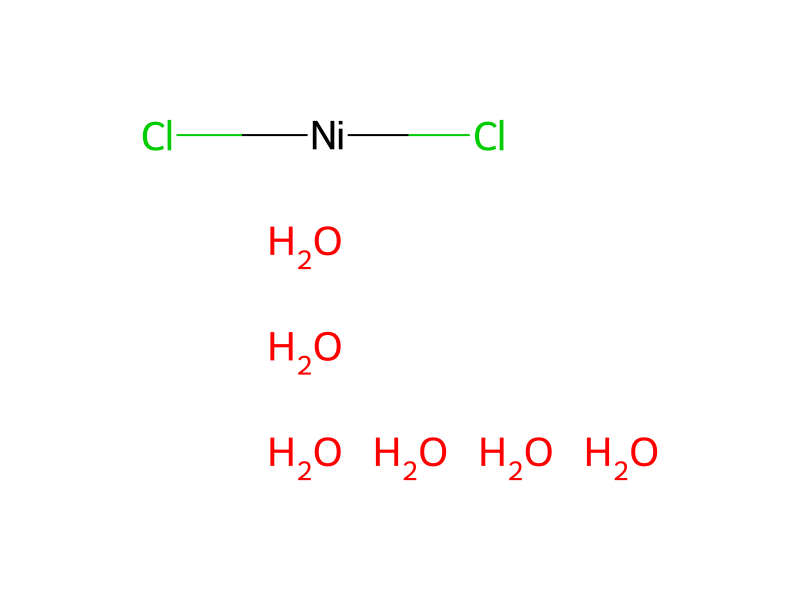
Reagents, catalysts & solvents 2

Procedure
To a solution of 2-cyclopentylquinoline (7.95 g, 40.3 mmol) and nickel (II) chloride hexahydrate (1.63 g, 6.85 mmol) in methanol (120 ml) cooled in an ice/methanol bath was added sodium borohydride (6.1 g, 161.2 mmol) portionwise over 1.5 h. The cooling bath was removed and the reaction stirred for a further 30 minutes. The methanol was then removed in vacuo. To the resulting black precipitate was added 2 M hydrochloric acid (100 ml) and then basified with 10 M potassium hydroxide. The mixture was poured into a separating funnel and extracted with ether (4×200 ml). The combined organic layers were dried (MgSO4), filtered and the solvent removed in vacuo to give 2-cyclopentyl-1,2,3,4-tetrahydroquinoline (7.45 g, 37.1 mmol) as a light brown oil.
Workup
- customThe cooling bath was removed
- customThe methanol was then removed in vacuo
- additionTo the resulting black precipitate was added 2 M hydrochloric acid (100 ml)
- additionThe mixture was poured into a separating funnel
- extractionextracted with ether (4×200 ml)
- dry with materialThe combined organic layers were dried (MgSO4)
- filtrationfiltered
- customthe solvent removed in vacuo
Sources & evidence
- ORD record
- ord-3f234ec8a24c428ebc70d0e2e9896d2f
- Source dataset
- uspto-grants-2010_08
- Patent number
- US07772227B2
Reaction notes
Loading…