HomeMCPWorkbenchSkills
HomeWorkbenchNotificationsMe
llms.txt · MCP GuidePrivacy Policy · Terms of Service · Supportv1.8.3
  1. Home
  2. /Reaction

Water → 2-(4-methylphenyl)sulfonyl-N-(2-sulfoethyl)acetamide

HRID 50527
Print

Reaction equation

HRID 50527 reaction equation
[C:1]1([CH3:10])[CH:6]=[CH:5][C:4]([S:7]([OH:9])=[O:8])=[CH:3][CH:2]=1.[Li].[S:12]([CH2:16][CH2:17][NH:18][C:19](=[O:22])[CH2:20]Br)([OH:15])(=[O:14])=[O:13].O>C(O)C>[CH3:10][C:1]1[CH:6]=[CH:5][C:4]([S:7]([CH2:20][C:19]([NH:18][CH2:17][CH2:16][S:12]([OH:15])(=[O:14])=[O:13])=[O:22])(=[O:9])=[O:8])=[CH:3][CH:2]=1
ParticipantsProcedureWorkupSources & evidenceReaction notes

Participants

6

Reactant 4

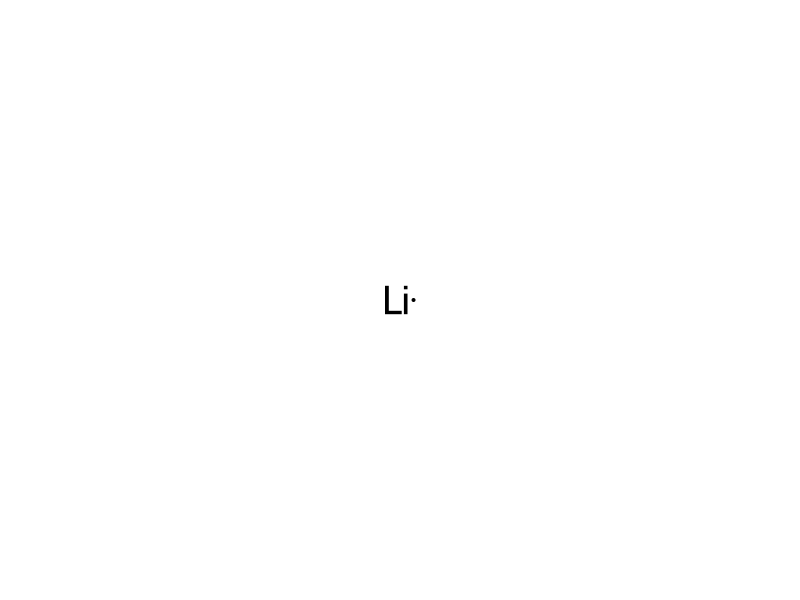
HCID 962WaterHCID 10818p-Toluenesulfinic acidHCID 3028194Lithium4×HCID 19908000N-(2-sulfoethyl)-2-bromoacetamide

Product 1

HCID 223236362-(4-methylphenyl)sulfonyl-N-(2-sulfoethyl)acetamideYield 89%

Reagents, catalysts & solvents 1

HCID 702
Ethanol
Solvent

Procedure

To a 5-liter flask equipped with a mechanical stirrer and reflux condenser was added p-toluenesulfinic acid, lithium salt (308.57 g), N-(2-sulfoethyl)-2-bromoacetamide, lithium salt (527.39 g), water (180 ml), and ethyl alcohol (3380 ml). The resulting suspension was heated to reflux. After about an hour of reflux, nearly all of the reactants had dissolved. Reflux was continued another four hours, and the solution was filtered hot through a Celite pad to remove some haziness. The solution was cooled overnight to room temperature. The solid that formed was collected and washed with 1 liter of 95% ethyl alcohol/water. The white solid was air dried and then dried at high vacuum, providing 553.88 g (89% yield) of 2-(4-methylphenyl)sulfonyl-N-(2-sulfoethyl)acetamide, lithium salt (Intermediate 1). HPLC analysis showed no detectable impurities. Ion chromatography indicated 0.035 weight % bromide and 1.8 weight % lithium. The material exhibited an acceptable proton spectrum.


Workup

  1. customTo a 5-liter flask equipped with a mechanical stirrer
  2. temperaturereflux condenser
  3. temperatureThe resulting suspension was heated to reflux
  4. temperatureAfter about an hour of reflux
  5. dissolutionnearly all of the reactants had dissolved
  6. temperatureReflux
  7. filtrationthe solution was filtered hot through a Celite pad
  8. customto remove some haziness
  9. temperatureThe solution was cooled overnight to room temperature
  10. customThe solid that formed
  11. customwas collected
  12. washwashed with 1 liter of 95% ethyl alcohol/water
  13. customdried
  14. customdried at high vacuum

Sources & evidence

ORD record
ord-99b26d7420294a7bb2aec59a2be9cbb0
Source dataset
uspto-grants-2004_03
DOI
10.6084/m9.figshare.5104873.v1
Patent number
US06713241B2

Reaction notes

On this pageParticipantsProcedureWorkupSources & evidenceReaction notes