Reaction equation

[CH3:1][C:2]([O:5][C:6]([NH:8][C@H:9]([C:17]([OH:19])=[O:18])[CH2:10][C:11]1[CH:16]=[CH:15][CH:14]=[CH:13][CH:12]=1)=[O:7])([CH3:4])[CH3:3].[NH2:20][C:21]1[CH:26]=[CH:25][CH:24]=[CH:23][N:22]=1.C1CCC(N=C=NC2CCCCC2)CC1>>[CH3:4][C:2]([O:5][C:6]([NH:8][C@H:9]([C:17]([OH:19])=[O:18])[CH2:10][C:11]1[CH:16]=[CH:15][CH:14]=[CH:13][CH:12]=1)=[O:7])([CH3:1])[CH3:3].[NH2:20][C:21]1[CH:26]=[CH:25][CH:24]=[CH:23][N:22]=1Participants
4
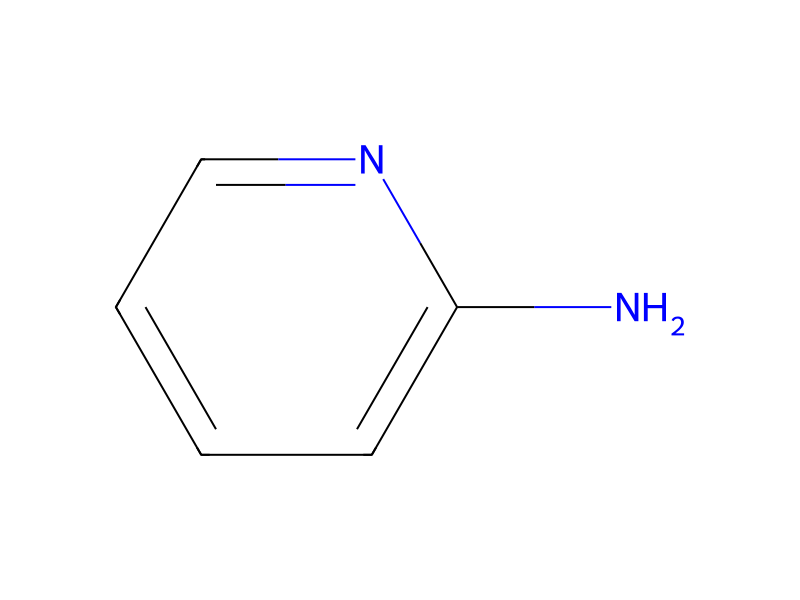



Procedure
The acylated phenylalanine anilide imprint molecule was synthesized in three steps. (1) N-α-t-BOC-L-phenylalanine was coupled with 2-aminopyridine using DCC to give N-α-t-BOC-L-phenylalanine-2-aminopyridine. (2) The α-amine was then deprotected with TFA to give N-α-L-phenylalanine-2-aminopyridine. (3) To create a compound having the properties of a surfactant, the free amine was then acylated with decanoic acid using DCC to give N-α-decyl-L-phenylalanine-2-aminopyridine.
Sources & evidence
- ORD record
- ord-e4e5c5db7a4045c7934fd55d1008f962
- Source dataset
- uspto-grants-2004_03
- Patent number
- US06713416B2
Linked notes
Loading…