Reaction equation

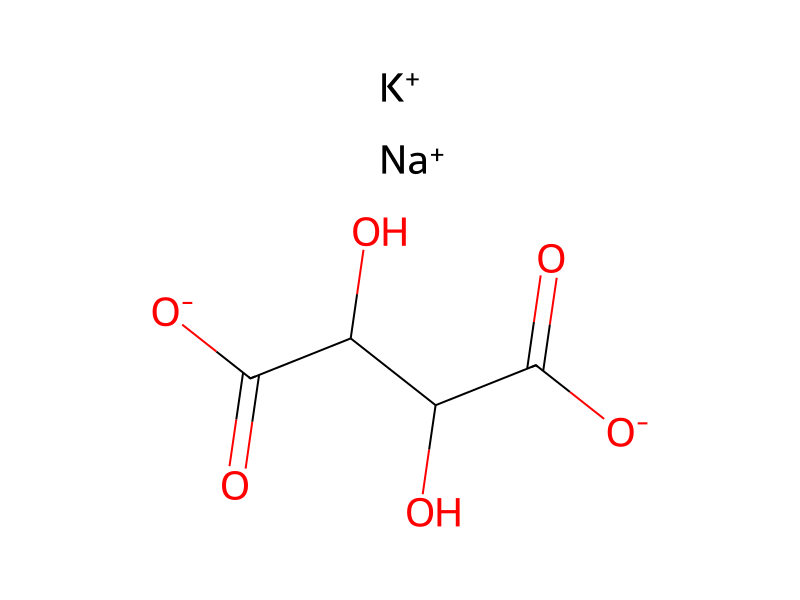
[Br:1][C:2]1[CH:7]=[CH:6][C:5]([CH:8]([C:14](OCC)=[O:15])[C:9](OCC)=[O:10])=[CH:4][CH:3]=1.[H-].C([Al+]CC(C)C)C(C)C.CCCCCC.C(C(C(C([O-])=O)O)O)([O-])=O.[Na+].[K+]>CCOCC>[Br:1][C:2]1[CH:3]=[CH:4][C:5]([CH:8]([CH2:14][OH:15])[CH2:9][OH:10])=[CH:6][CH:7]=1Participants
6





Conditions
- Temperature
- 0 °C
Procedure
To a solution of diethyl 2-(4-bromophenyl)malonate (18.1 g, 57.5 mmol) in ether (285 ml) was added 0.98M-diisobutylaluminium hydride in hexane (259 ml, 254 mmol) at 0° C. under nitrogen atmosphere. The resulting mixture was stirred at 0° C. for 4 hours. Aqueous potassium sodium tartrate (0.57M, 500 ml) was added to the reaction mixture for quenching the aluminum reagent and the mixture was stirred for 14 hours. The organic layer was extracted with ethyl acetate and dried over sodium sulfate. After concentration, the residue was purified by silica gel column chromatography (eluant: hexane/ethyl acetate=40/60 to ethyl acetate only) to afford 2-(4-bromophenyl)propane-1,3-diol as white solid (4.97 g, 37%).
Workup
- customfor quenching the aluminum reagent
- stirringthe mixture was stirred for 14 hours
- extractionThe organic layer was extracted with ethyl acetate
- dry with materialdried over sodium sulfate
- concentrationAfter concentration
- customthe residue was purified by silica gel column chromatography (eluant
Sources & evidence
- ORD record
- ord-073ca934b9104bed9e97062c70542276
- Source dataset
- uspto-grants-2015_08
- Patent number
- US09108957B2
Linked notes
Loading…