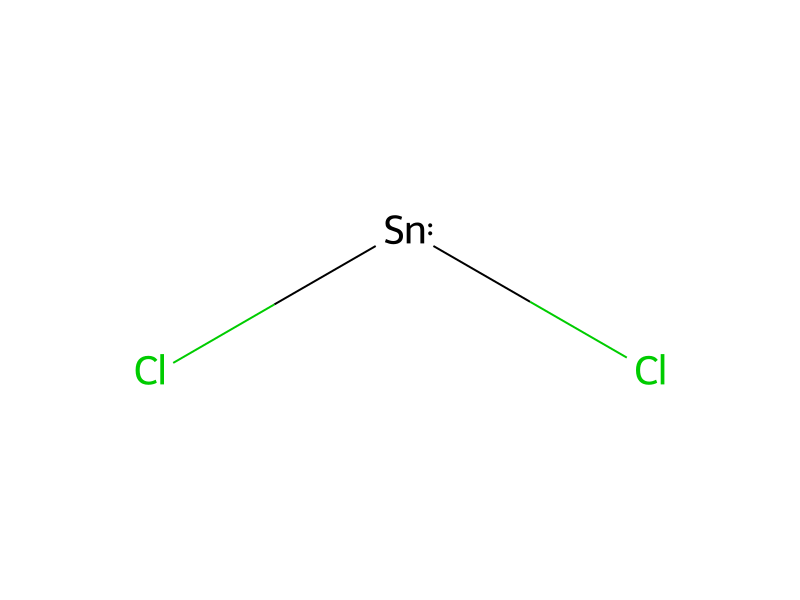
[CH:1]([NH:4][C:5]([C@H:7]1[CH2:12][CH2:11][C@@H:10]([NH:13][C:14]2[C:19]([N+:20]([O-])=O)=[CH:18][N:17]=[C:16]([S:23]([CH3:26])(=[O:25])=[O:24])[CH:15]=2)[CH2:9][CH2:8]1)=[O:6])([CH3:3])[CH3:2].[Sn](Cl)Cl.C(Cl)Cl>CO>[NH2:20][C:19]1[C:14]([NH:13][C@@H:10]2[CH2:9][CH2:8][C@H:7]([C:5]([NH:4][CH:1]([CH3:3])[CH3:2])=[O:6])[CH2:12][CH2:11]2)=[CH:15][C:16]([S:23]([CH3:26])(=[O:24])=[O:25])=[N:17][CH:18]=1To a solution of cis-N-isopropyl-4-(2-(methylsulfonyl)-5-nitropyridin-4-ylamino)cyclohexanecarboxamide (0.177 g, 0.460 mmol) in MeOH (2 mL) was added anhydrous tin (II) chloride (0.349 g, 1.842 mmol). The reaction mixture was heated at 80° C. for 3 hours and was concentrated under vacuum. The remaining residue was dissolved in EtOAc and washed with 1N aqueous NaOH followed by brine. The organic layer was dried over sodium sulfate and concentrated under vacuum. The residue was purified by flash chromatography, eluting with 0-100% 90/10/1 DCM/MeOH/NH4OH:DCM to afford cis-4-(5-amino-2-(methylsulfonyl)pyridin-4-ylamino)-N-isopropylcyclohexanecarboxamide (0.150 g, 92% yield). MS (ESI pos. ion) m/z: 355.2 [M+H].