Reaction equation

NC1C=CC=CC=1.C1(O)CCCCC1.C1(=O)CCCCC1.[C:22]1(=[N:28][C:29]2[CH:34]=[CH:33][CH:32]=[CH:31][CH:30]=2)[CH2:27][CH2:26][CH2:25][CH2:24][CH2:23]1.[N+](C1C=CC=CC=1)([O-])=O>C([O-])(=O)C.[Zn+2].C([O-])(=O)C>[CH:29]1([NH:28][C:22]2[CH:27]=[CH:26][CH:25]=[CH:24][CH:23]=2)[CH2:34][CH2:33][CH2:32][CH2:31][CH2:30]1Participants
7
Reactant 5


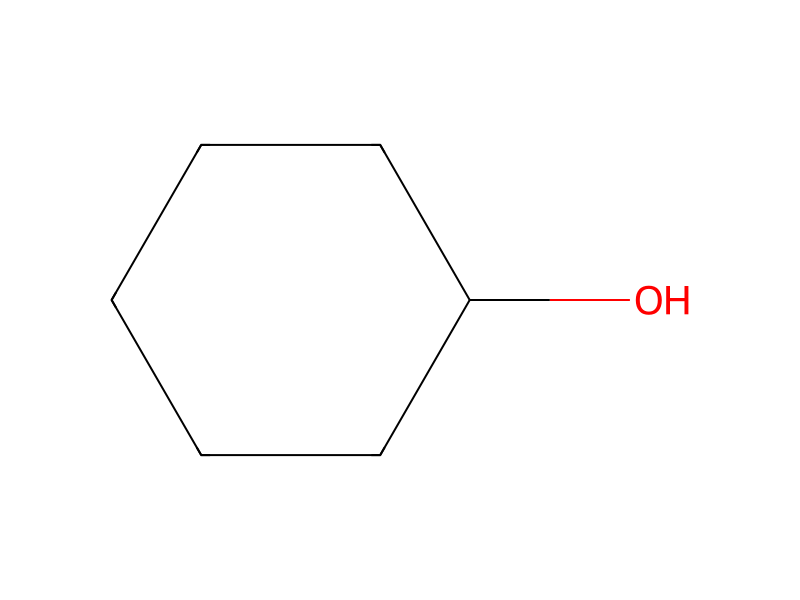


Product 1

Reagents, catalysts & solvents 1

Procedure
The reaction was carried out using the same apparatus and the same procedure as in Example 1 except that zinc acetate was not employed. In this case, the distilled aniline layer contained as impurities of 200-400 ppm of cyclohexanol, 1300-2200 ppm of cyclohexanone, 80-150 ppm of cyclohexylideneaniline and 20 ppm of nitrobenzene, and the purity of the aniline was only 99.68-99.80%. Furthermore, in the liquid phase in the reactor, N-cyclohexylaniline was formed rapidly and its content reached about 1.7% after 9 hours had elapsed from the start of the reaction, although the content of nitrobenzene in this liquid phase was maintained at 0.01% or less.
Sources & evidence
- ORD record
- ord-e44bd65adb0047b68a009dcdac61f1ae
- Source dataset
- uspto-grants-1997_04
- Patent number
- US05616806
Linked notes
Loading…