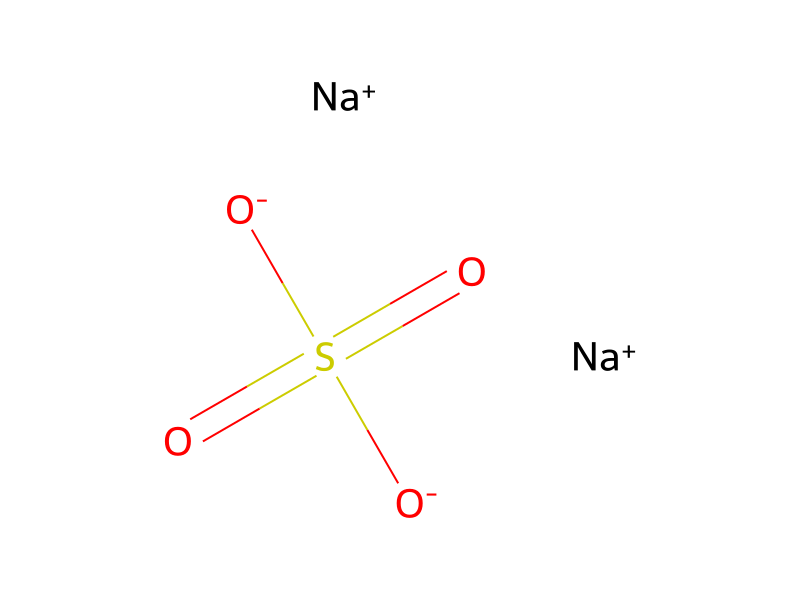
[CH3:1][C:2]1([CH3:9])[O:6][C@@H:5]([CH:7]=O)[CH2:4][O:3]1.S([O-])([O-])(=O)=O.[Na+].[Na+].[CH2:17]([NH:24][OH:25])[C:18]1[CH:23]=[CH:22][CH:21]=[CH:20][CH:19]=1>C(Cl)Cl>[CH3:9][C:2]1([CH3:1])[O:6][C@@H:5](/[CH:7]=[N+:24](\[O-:25])/[CH2:17][C:18]2[CH:23]=[CH:22][CH:21]=[CH:20][CH:19]=2)[CH2:4][O:3]11.50 g (11.53 mmol) (R)-2,2-Dimethyl-1.3-dioxolane-4-carboxaldehyde (Fluorochem, Hadfield, UK) was dissolved in 60 ml of DCM and treated with 1.64 g (11.53 mmol) sodium sulfate. The reaction mixture was flushed with argon and treated with a solution of 1.42 g (11.53 mmol) N-benzyl-hydroxylamine (prepared from the commercially available hydrochloride salt) in 20 ml of CH2Cl2. The reaction mixture was stirred under argon at RT for 16.5 h and then filtered. Silicagel was added to the filtrate is and preabsorbed, before being purified by chromatography on silicagel (gradient: Heptane/EtOAc 0%-100% in 30 min). Fr. 20-80 were collected and evaporated to dryness and dried under vacuum overnight to give 1.48 g of a white solid (˜100% pure by HPLC, Rt=1.43); ESI-MS: 236.2 [M+H]+(LC-MS 1))
Loading…