HomeMCPWorkbenchSkills
HomeWorkbenchNotificationsMe
llms.txt · MCP GuidePrivacy Policy · Terms of Service · Supportv1.8.3
  1. Home
  2. /Reaction

Carbon Dioxide → Methyl 2-propen-1-yl carbonate

HRID 542573
Print

Reaction equation

HRID 542573 reaction equation
[CH2:1](Cl)[CH:2]=[CH2:3].[C:5](=[O:10])([O:8][CH3:9])[O:6][CH3:7].CO[C:13]1C=CC(O)=C[CH:14]=1.C(=O)=O>>[C:5](=[O:8])([O:6][CH3:7])[O:10][CH2:1][CH:2]=[CH2:3].[C:5](=[O:10])([O:8][CH2:9][CH:13]=[CH2:14])[O:6][CH2:1][CH:2]=[CH2:3]
ParticipantsProcedureWorkupSources & evidenceReaction notes

Participants

6

Reactant 4

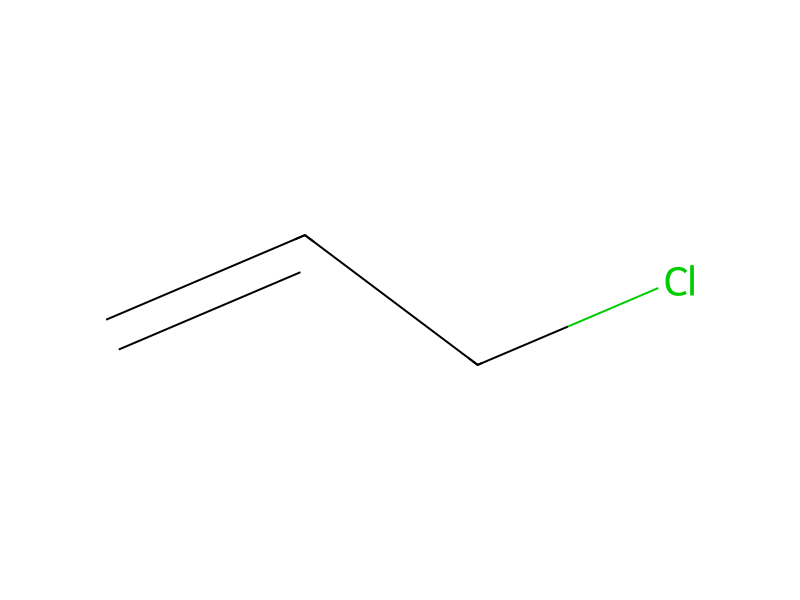
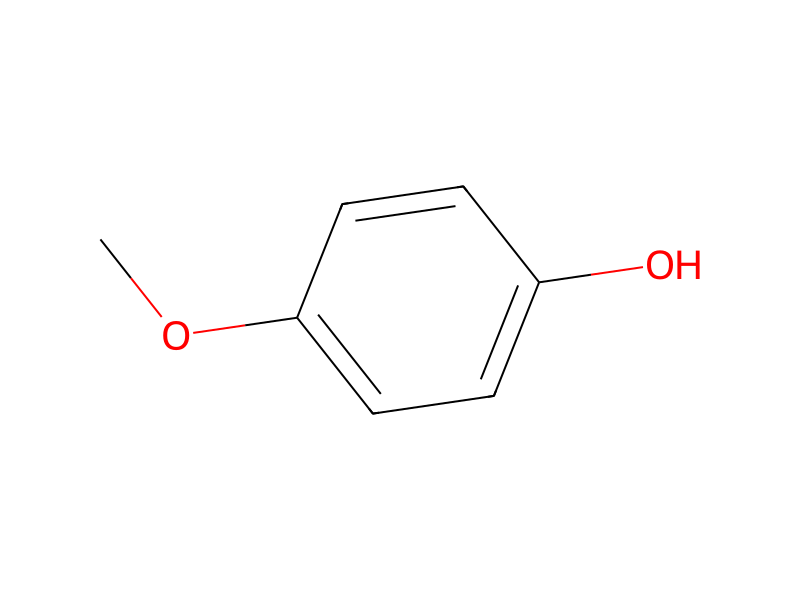
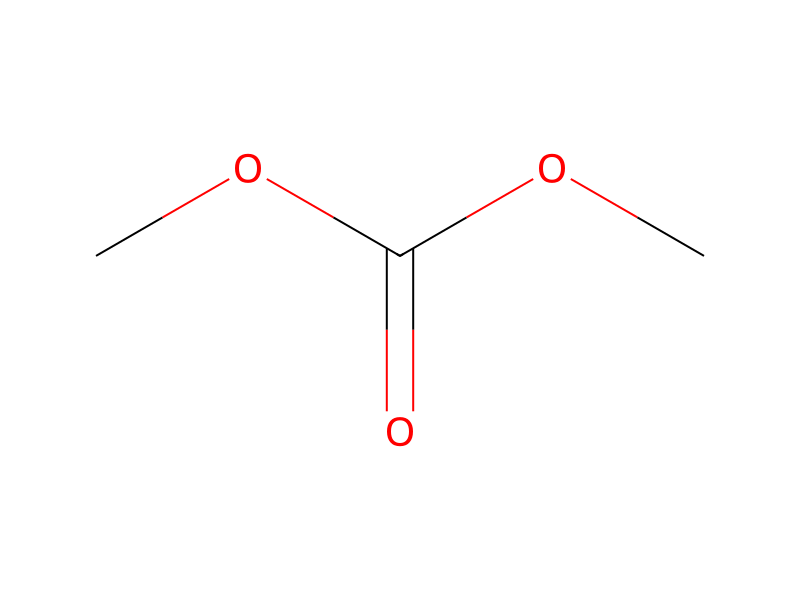
HCID 280Carbon DioxideHCID 7850Allyl chlorideHCID 90154-MethoxyphenolHCID 12021Dimethyl Carbonate

Product 2

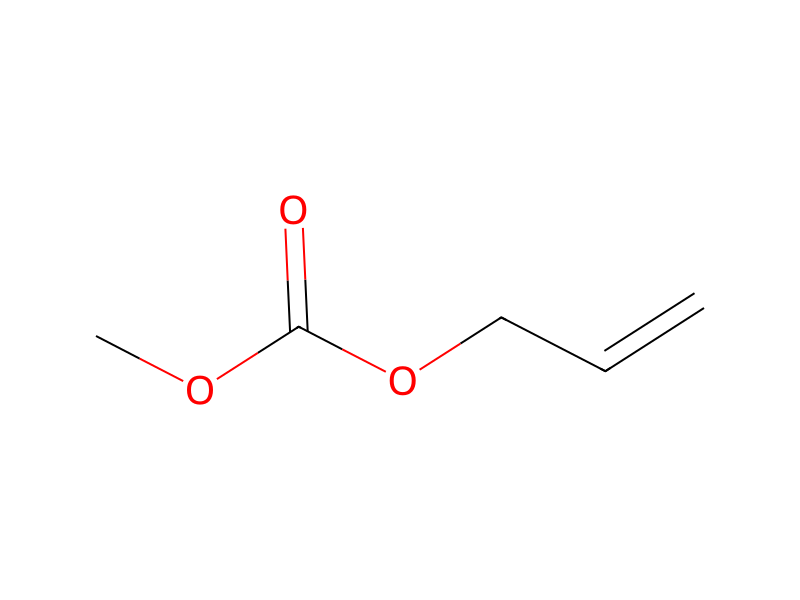
HCID 84764Carbonic acid, di-2-propen-1-yl esterYield 2%HCID 534788Methyl 2-propen-1-yl carbonateYield 23.8%

Procedure

The procedure employed in Example 30 is substantially repeated employing polystyrene-bound benzyl-tri-n-butylphosphonium chloride (2 percent cross-linked with divinylbenzene) as the catalyst. Accordingly, 15 g of the polymeric catalyst, allyl chloride (76.5 g, 1.0 mole), dimethyl carbonate (90.0 g, 1.0 mole) and p-methoxyphenol (0.5 g, 0.004 mole) are combined in a reactor and heated for 6 hours at 150° C. under 600 psi carbon dioxide. The reactor is then cooled to room temperature and vented. After separating the catalyst by filtration, allyl methyl carbonate (23.8 percent yield) and diallyl carbonate (2.0 percent yield) are obtained by distillation.


Workup

  1. customAfter separating the catalyst

Sources & evidence

ORD record
ord-4f3bbf06cf34442bb82258a844796983
Source dataset
uspto-grants-1987_04
DOI
10.6084/m9.figshare.5104873.v1
Patent number
US04658041

Reaction notes

On this pageParticipantsProcedureWorkupSources & evidenceReaction notes