Reaction equation

[CH3:1][O:2][C:3]([CH:5]1[CH2:10][C:9](=[O:11])[C:8]([N:12]=[N:13][C:14]2[CH:19]=[CH:18][CH:17]=[CH:16][CH:15]=2)=[C:7]([OH:20])[CH2:6]1)=[O:4].C(N)(=O)C.BrC1CC(=O)NC1=O.BrBr>C(Cl)(Cl)Cl>[CH3:1][O:2][C:3](=[O:4])[C:5]1[CH:10]=[C:9]([OH:11])[C:8]([N:12]=[N:13][C:14]2[CH:19]=[CH:18][CH:17]=[CH:16][CH:15]=2)=[C:7]([OH:20])[CH:6]=1Participants
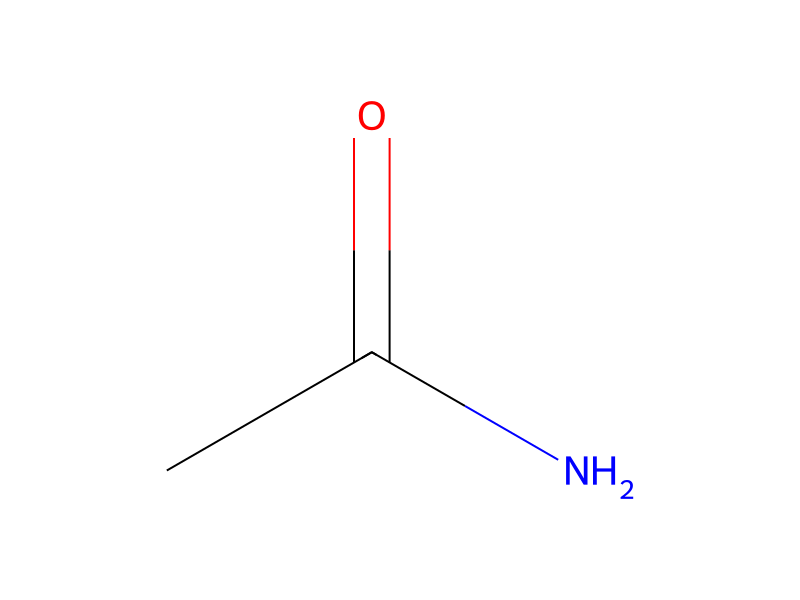




Procedure
54.8 G. of 3-hydroxy-5-keto-4-phenylazo-3-cyclohexene-carboxylic acid methyl ester, 12.0 g. of acetamide and 2.0 g. of bromosuccinimide were stirred in 600 ml. of chloroform and treated dropwise with 32.0 g. of bromine in 400 ml. of chloroform (the reaction temperature being held below 35° C.). Soon, the separation of acetamide hydrobromide began. The mixture was stirred for an additional 30 minutes at room temperature. Then, the acetamide hydrobromide was removed by filtration and the filtrate evaporated to dryness. The residue was taken up in a small amount of ethanol, filtered under vacuum and washed with ethanol, whereby there was obtained 3,5-dihydroxy-4-phenylazo-benzoic acid methyl ester having a melting point of 216°-218° C.
Workup
- custombeing held below 35° C.
- customSoon, the separation of acetamide hydrobromide
- customThen, the acetamide hydrobromide was removed by filtration
- customthe filtrate evaporated to dryness
- filtrationfiltered under vacuum
- washwashed with ethanol
Sources & evidence
- ORD record
- ord-c618d38ee934436caf75044392b6e4b7
- Source dataset
- uspto-grants-1987_04
- Patent number
- US04659818
Linked notes
Loading…