Reaction equation

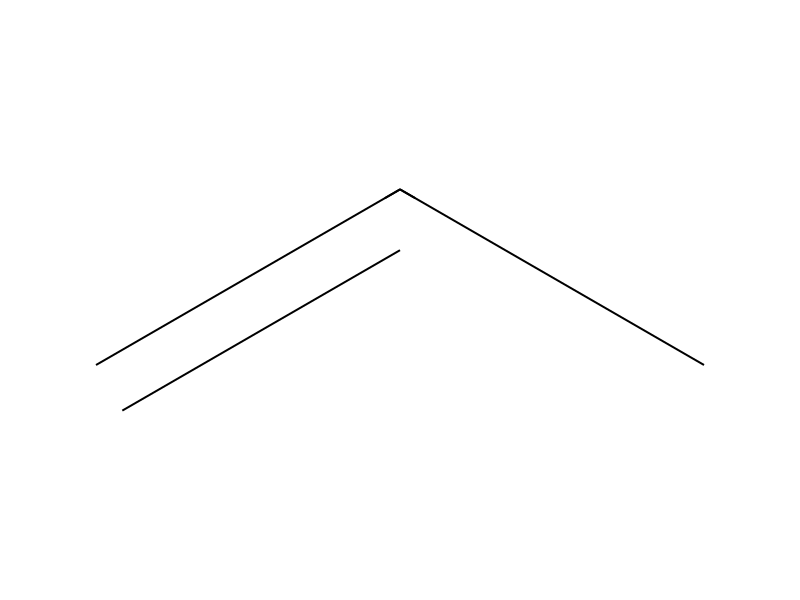
[O-]O.[CH:3]([C:6]1[C:7]([CH:15]([CH3:17])[CH3:16])=[C:8]([CH:12]([CH3:14])[CH3:13])[CH:9]=[CH:10][CH:11]=1)([CH3:5])[CH3:4].[CH:18](C1C(C(C)C)=C(C(C)C)C=CC=1)([CH3:20])[CH3:19].C1C=CC=CC=1>[Cl-].[Al+3].[Cl-].[Cl-]>[CH:12]([C:8]1[C:7]([CH:15]([CH3:17])[CH3:16])=[C:6]([CH:3]([CH3:5])[CH3:4])[CH:11]=[CH:10][CH:9]=1)([CH3:14])[CH3:13].[CH2:19]=[CH:18][CH3:20]Participants
6
Reactant 3


Product 2
Reagents, catalysts & solvents 1

Procedure
Crude triisopropylbenzene hydroperoxide is an organic peroxide composition obtained by oxidizing crude triisopropylbenzene. Crude triisopropylbenzene is produced by the reaction of one mole benzene with three moles propene in the presence of an aluminum chloride catalyst. The crude triisopropyl benzene is a mixture which is predominantly 1, 3, 5 triisopropylbenzene and minor amounts of 1, 2, 4 triisopropylbenzene, meta- and para-diisopropylbenzene, cumene, and a trace of 1, 2, 4, 5 tetraisopropylbenzene.
Workup
- customobtained
Sources & evidence
- ORD record
- ord-ae8f1d6d8eec4006b8a8ddfc2ce87b5b
- Source dataset
- uspto-grants-1984_05
- Patent number
- US04448234
Linked notes
Loading…