Reaction equation

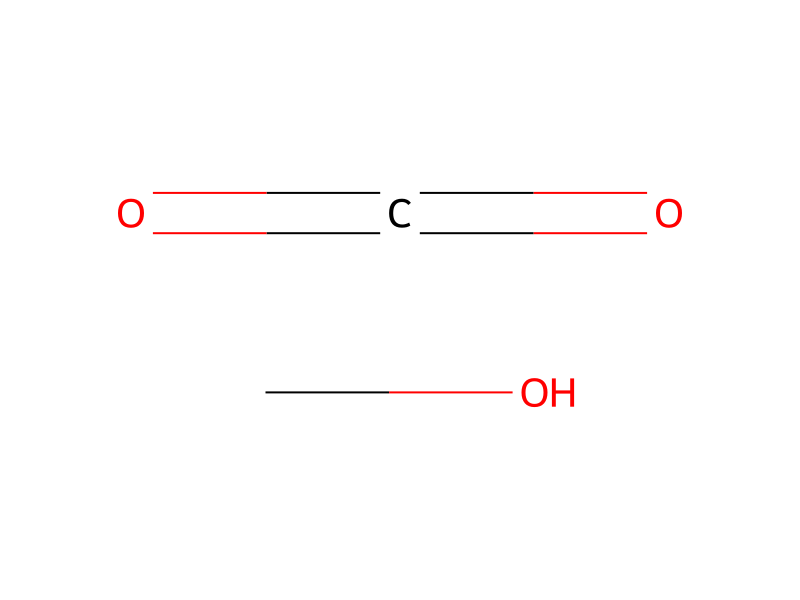
[F:1][C:2]1[C:7]([CH:8]2[C:17]3[C:12](=[CH:13][CH:14]=[CH:15][CH:16]=3)[CH2:11][NH:10][CH2:9]2)=[CH:6][C:5]([O:18]C)=[C:4]([O:20]C)[CH:3]=1.B(Br)(Br)[Br:23].ClCCl.CO>ClCCl.C(=O)=O.CO>[BrH:23].[F:1][C:2]1[C:7]([CH:8]2[C:17]3[C:12](=[CH:13][CH:14]=[CH:15][CH:16]=3)[CH2:11][NH:10][CH2:9]2)=[CH:6][C:5]([OH:18])=[C:4]([OH:20])[CH:3]=1Participants
6
Reactant 3



Product 1

Reagents, catalysts & solvents 2

Procedure
1.15 g of 4-(6-fluoro-3,4-dimethoxyphenyl)-1,2,3,4-tetrahydroisoquinoline was dissolved in 30 ml of dichloromethane, 26.4 ml of 1M boron tribromide-dichloromethane solution was added to the solution under an argon gas stream under stirring under cooling at the internal temperature of -20° to -30° C. The mixture was stirred for 3 hours at room temperature, and then, 7.0 ml of methanol was added dropwise under cooling in dry ice-methanol bath. The mixture was stirred for 30 minutes at room temperature, the crystals which separated out were collected by filtration, affording 1.0 g of 4-(6-fluoro-3,4-dihydroxyphenyl)-1,2,3,4-tetrahydroisoquinoline hydrobromide.
Workup
- temperatureunder cooling at the internal temperature of -20° to -30° C
- stirringThe mixture was stirred for 3 hours at room temperature
- stirringThe mixture was stirred for 30 minutes at room temperature
- customthe crystals which separated out
- filtrationwere collected by filtration
Sources & evidence
- ORD record
- ord-f4f1410458e34e6ba1c85a448576615c
- Source dataset
- uspto-grants-1997_04
- Patent number
- US05623074
Linked notes
Loading…