Benzoyl chloride → Ethyl 5-benzamido-1-methyl-2-indolecarboxylate
HRID 565025
Reaction equation

[NH2:1][C:2]1[CH:3]=[C:4]2[C:8](=[CH:9][CH:10]=1)[N:7]([CH3:11])[C:6]([C:12]([O:14][CH2:15][CH3:16])=[O:13])=[CH:5]2.[C:17](Cl)(=[O:24])[C:18]1[CH:23]=[CH:22][CH:21]=[CH:20][CH:19]=1>N1C=CC=CC=1>[C:17]([NH:1][C:2]1[CH:3]=[C:4]2[C:8](=[CH:9][CH:10]=1)[N:7]([CH3:11])[C:6]([C:12]([O:14][CH2:15][CH3:16])=[O:13])=[CH:5]2)(=[O:24])[C:18]1[CH:23]=[CH:22][CH:21]=[CH:20][CH:19]=1Participants
4
Reactant 2
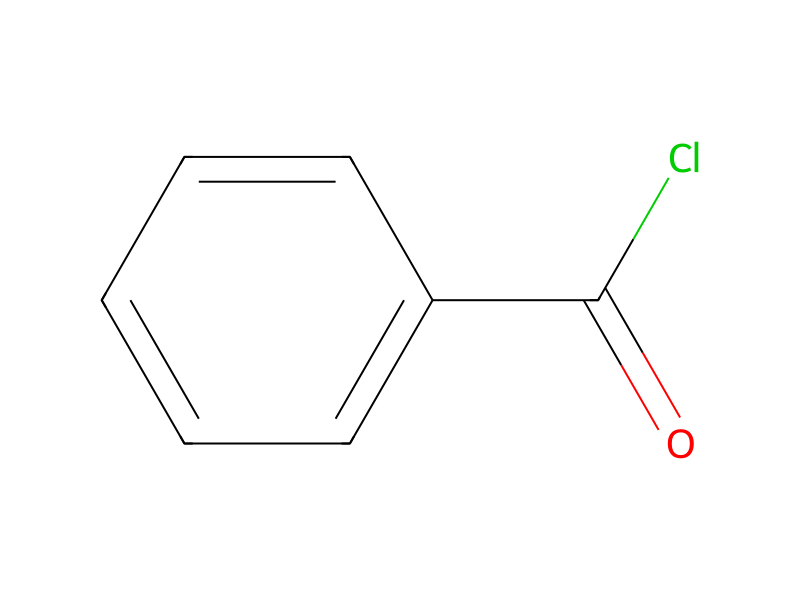

Product 1

Reagents, catalysts & solvents 1

Procedure
In 20 ml of pyridine was dissolved 0.80 g (3.67 mmol) of ethyl 5-amino-1-methyl-2-indolecarboxylate. While stirring at room temperature, 0.57 g (4.03 mmol) of benzoyl chloride was added to the solution. After stirring for 2 hours at 70° C., the reaction mixture was cooled to room temperature and then poured onto ice water. The mixture was then extracted three times with ethyl acetate. The combined extracts were washed with 1N hydrochloric acid and then with saturated sodium hydrogencarbonate solution. After drying over anhydrous magnesium sulfate, the solvent was distilled off under reduced pressure. The residue was purified by silica gel column chromatography to give 0.62 g (52.5%) of ethyl 5-benzamido-1-methyl-2-indolecarboxylate.