HomeMCPWorkbenchSkills
HomeWorkbenchNotificationsMe
llms.txt · MCP GuidePrivacy Policy · Terms of Service · Supportv1.8.2
  1. Home
  2. /Reaction

Sodium Hydroxide → 6-Bromo-2-methoxyquinoline

HRID 568353
Print

Reaction equation

HRID 568353 reaction equation
[Br:1][C:2]1[CH:3]=[C:4]2[C:9](=[CH:10][CH:11]=1)[NH:8][C:7](=[O:12])[CH:6]=[CH:5]2.F[B-](F)(F)F.[CH3:18][O+](C)C.[OH-].[Na+]>ClCCl>[Br:1][C:2]1[CH:3]=[C:4]2[C:9](=[CH:10][CH:11]=1)[N:8]=[C:7]([O:12][CH3:18])[CH:6]=[CH:5]2
ParticipantsProcedureWorkupSources & evidenceReaction notes

Participants

5

Reactant 3

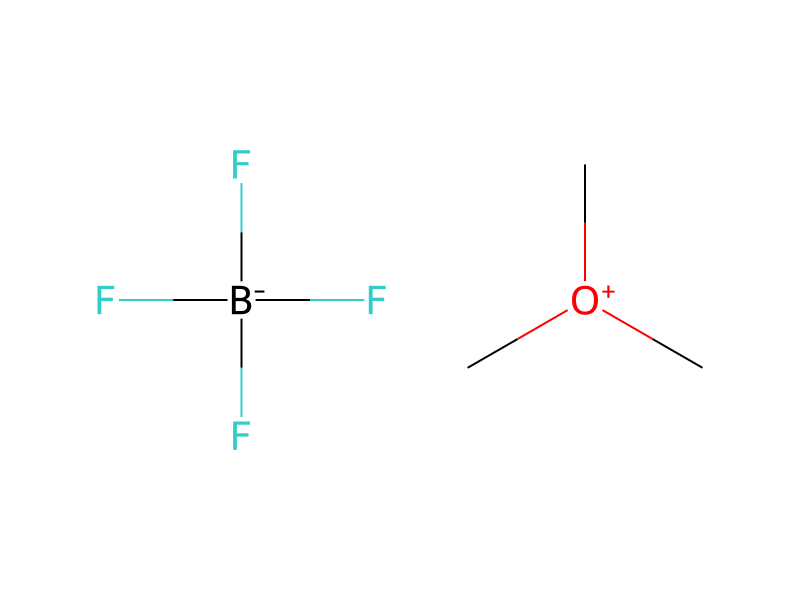
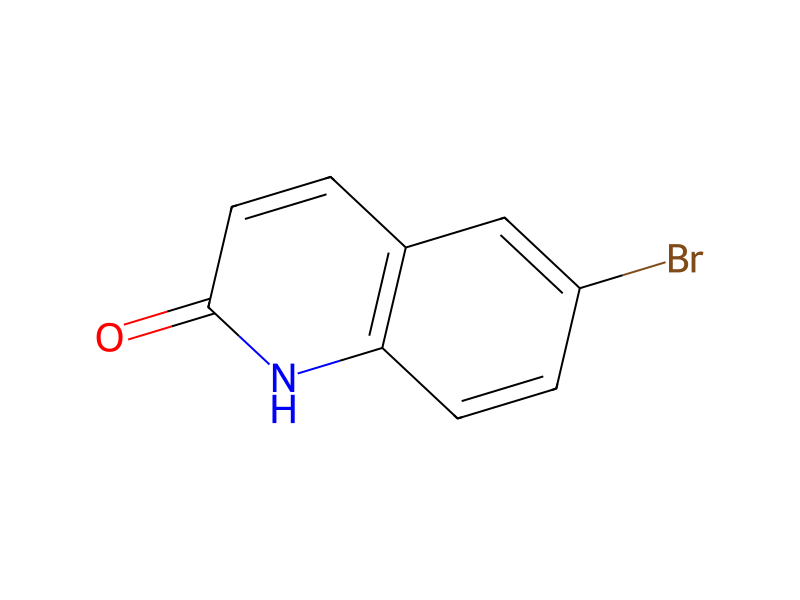
HCID 14798Sodium HydroxideHCID 2735153Oxonium, trimethyl-, tetrafluoroborate(1-) (1:1)HCID 123789436-Bromoquinolin-2(1H)-one

Product 1

HCID 106575386-Bromo-2-methoxyquinoline

Reagents, catalysts & solvents 1

HCID 6344DichloromethaneSolvent

Procedure

A mixture of 6-bromo-2-[1H]-quinolone (2.90 g) and trimethyloxoniumtetrafluoroborate (2.10 g) was stirred in dichloromethane (50 cm3) for 48 hours under nitrogen. Aqueous 10% sodium hydroxide (20 cm3) was added and the aqueous phase was extracted with dichloromethane (2×40 cm3). The dried (MgSO4) extracts were evaporated and the residue was crystallised from petroleum ether (b.p. 60°-80°) to yield the title compound, m.p. 90°-94°, (2.16 g).

On this pageParticipantsProcedureWorkupSources & evidenceReaction notes

Workup

  1. extractionthe aqueous phase was extracted with dichloromethane (2×40 cm3)
  2. dry with materialThe dried (MgSO4) extracts
  3. customwere evaporated
  4. customthe residue was crystallised from petroleum ether (b.p. 60°-80°)

Sources & evidence

ORD record
ord-ea325e0a646141b6b088ce1a3b429975
Source dataset
uspto-grants-1988_03
DOI
10.6084/m9.figshare.5104873.v1
Patent number
US04728654

Reaction notes